Remote Virtual Assistant Jobs: 9 Brutal Truths Nobody Tells You

Summary:
Remote virtual assistant jobs promise freedom and flexibility, but most VAs discover a harsh reality: income plateaus at $4-$12/hour while customer support professionals earn $12-$30/hour or even more doing almost similar work. This guide will reveal what you need to hear vs what you want to hear, like the compensation gap nobody discusses and shows how your VA skills translate perfectly to higher-paying remote customer support roles that offer structured career paths, benefits, and potentially can result in 2-3x higher earnings for you.
Key Takeaways:
- Remote virtual assistant jobs typically pay $4-$12/hour compared to customer support’s $12-$30/hour rate
- The 5-year income difference between VA and support work exceeds $75,000 in lost earnings
- Customer support roles offer structured career progression from $31,200 to $62,400+ annually
- Your virtual assistant experience already qualifies you for entry-level customer support positions
- Support jobs provide benefits packages including health insurance, PTO, and retirement matching
- Companies pay support teams more because they directly impact customer retention and revenue
- Remote VA jobs face global outsourcing pressure that suppresses wages indefinitely
- Transitioning from VA to support work can happen with right guidance (like this) and up skilling.
Introduction:
The promise of remote virtual assistant jobs often sounds perfect: “work from anywhere, choose your clients, set your schedule.”
However, the reality often sets in after a few months. When factoring in all the unpaid hours spent on invoicing, marketing, and onboarding new clients, many VAs find their effective hourly rate plummets – sometimes to half their quoted price. That “flexible” schedule can easily become nights and weekends spent accommodating different client time zones. The instability is acute; if just one or two clients disappear, income can drop by 50% or more overnight.
In contrast, remote customer support roles typically offer $18-$25 per hour for skills that VAs already use daily, such as communication, organization, and problem-solving. These are structured careers, not gigs. It’s common for VAs to transition into a customer support position within weeks, replacing a volatile $15,600 annual income with a stable salary of $40,000 or more, plus benefits like paid time off and health insurance.
The Hard Truth About Virtual Assistant Jobs:
What Remote VA Jobs Actually Pay
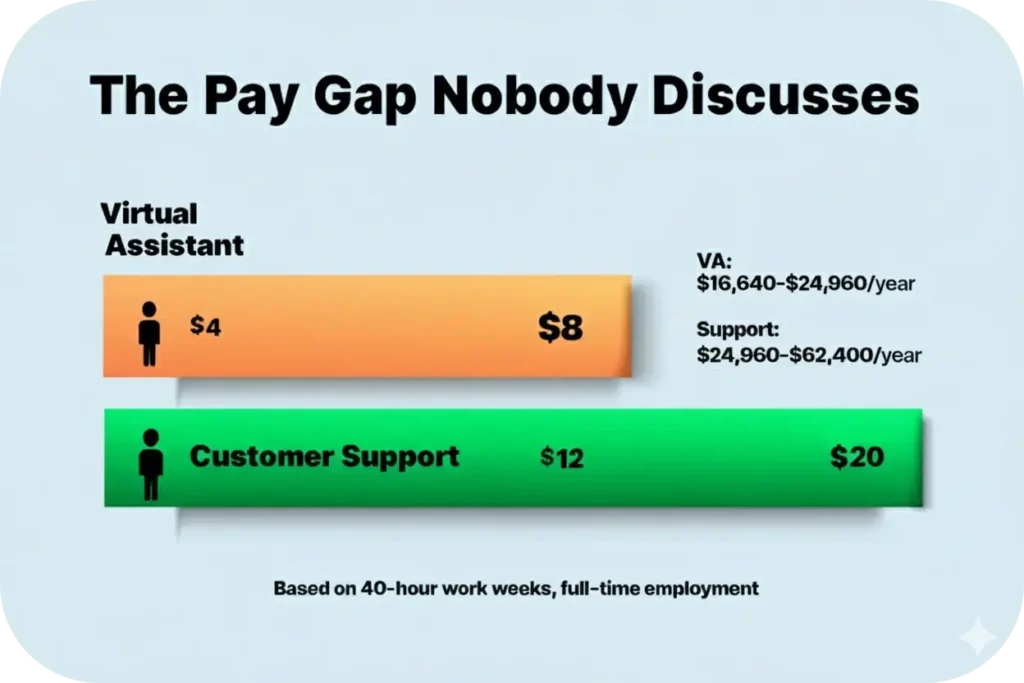
Remote virtual assistant jobs pay $4-$12 per hour in today’s market. Entry-level no experience virtual assistant jobs start at $5-$7/hour. After two years, most VAs reach $10-$12/hour. The ceiling? Around $15/hour for specialized work. At 40 hours weekly, that’s $16,640 to $31,200 annually.
Why so low you may ask? Global competition. When qualified professionals in most countries around the world accept $5/hour, you’re competing on price alone. Freelance virtual assistant jobs become a race to the bottom where pricing errors cost you clients instantly.
Even VAs in high-cost regions in the U.S. like California, New York, Atlanta, Colorado, New Jersey, Pennsylvania, and Montana struggle competing against lower-cost remote talent worldwide. Geographic location no longer protects wages when you’re part of a global network of service providers.
Customer Support Pays 2-3X More for Similar Skills
Remote customer support jobs pay $12-$30/hour for nearly identical skills. Same communication abilities. Same problem-solving. Same digital tools. Completely different compensation.
Entry-level support starts at $12-$18/hour. With experience, you’ll earn $18-$25/hour or even more. Technical or product support? $25-$35/hour. That’s $24,960 to $62,400 annually – double or triple VA earnings.
As a VA juggling remote email management jobs, doing calendar management, spreadsheet organization, and presentation creation tasks, you could be earning $8/hour, however, your customer support role could even pay you upto $20/hour handling similar stuff. Same skillset. Different title. But different pay scale.
Why Companies Pay Support Teams More
Customer support directly impacts customer retention – every unresolved ticket risks losing a customer worth thousands annually. Virtual assistant remote jobs handle helpful but optional tasks. Administrative tasks can wait. Customer issues cannot.
Support performance ties to measurable KPIs: resolution times, satisfaction scores, ticket volume. Companies pay for quantifiable ROI and improved efficiency. VA contributions feel subjective and harder to measure against business outcomes.
Fixed schedules matter too. Support requires coverage during specific hours. Companies pay more for this reliability compared to “flexible availability” that commoditizes VA work. Startups and established firms alike prioritize client satisfaction through responsive support teams.
Hidden Challenges Killing Your VA Career:
The Income Ceiling Most VAs Never Break
Part-time remote virtual assistant jobs and home-based virtual assistant jobs operate on commodity pricing. When thousands worldwide offer similar business support services, clients choose the cheapest option. Raising rates means losing clients.
Many VAs work as 1099 positions without benefits or job security. You’re a contractor competing globally with minimal leverage for rate increases. The opportunities for growth feel limited when geography and global competition suppress wages indefinitely.
Client Churn Creates Income Instability
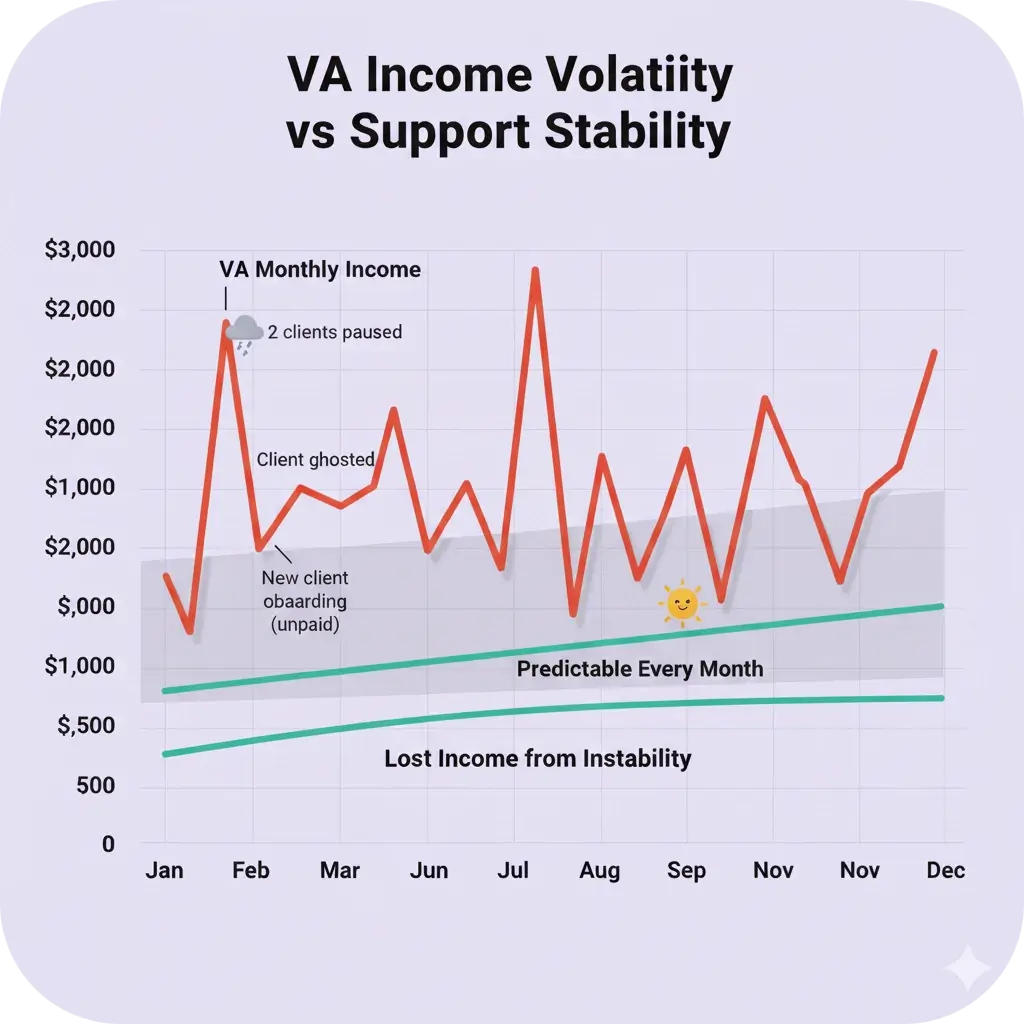
The rhetoric feast-or-famine cycle defines remote virtual assistant jobs work. Client churn is constant. Budgets shrink. Businesses downsize. You spend unpaid hours marketing, onboarding replacements, chasing invoices. That “flexibility” often means evenings and weekends with zero paid time off. Whereas remote customer support jobs hiring now offer consistent paychecks, paid vacation, and sick leave.
Generalist Skills vs. Valuable Expertise
Juggling data entry, social media management, appointment scheduling, content creation, web Research, and learning various Content Management Systems sounds impressive until you realize you’re developing shallow knowledge everywhere instead of deep expertise anywhere.
Every task is different – audio transcription one hour, document preparation the next, market research after that. Some clients need SEO principles knowledge, others want HTML or JavaScript familiarity sometimes. You’re constantly learning new systems without mastering any.
Remote administrative assistant jobs keep you broad. Customer support careers help you go deep into valuable specializations like technical troubleshooting or customer success that companies pay premium rates to access.
Why Customer Support Crushes VA Work (The $75K Difference)
The Real Numbers Over 5 Years
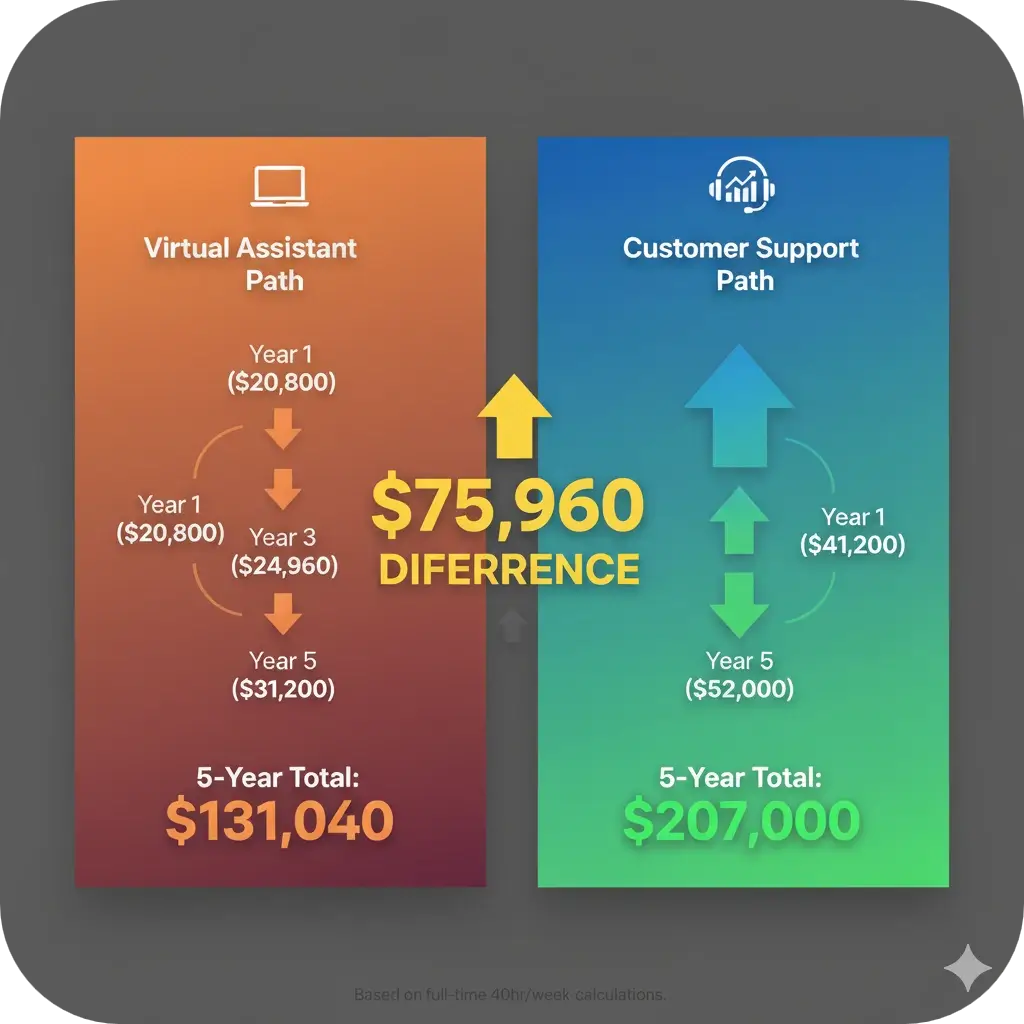
Virtual Assistant Path:
- Year 1: $20,800 annually ($10/hour)
- Year 3: $24,960 annually ($12/hour)
- Year 5: $31,200 annually ($15/hour)
- Five-year total: $131,040
Customer Support Path:
- Year 1: $31,200 annually ($15/hour)
- Year 3: $41,600 annually ($20/hour)
- Year 5: $52,000 annually ($25/hour)
- Five-year total: $207,000
The difference: $75,960 over five years. That could be a house down payment. Student loan payoff. Real financial security. These numbers apply where you’re in, because geographic location matters less in remote work, but role selection matters enormously.
Benefits You’ll Never Get as a VA
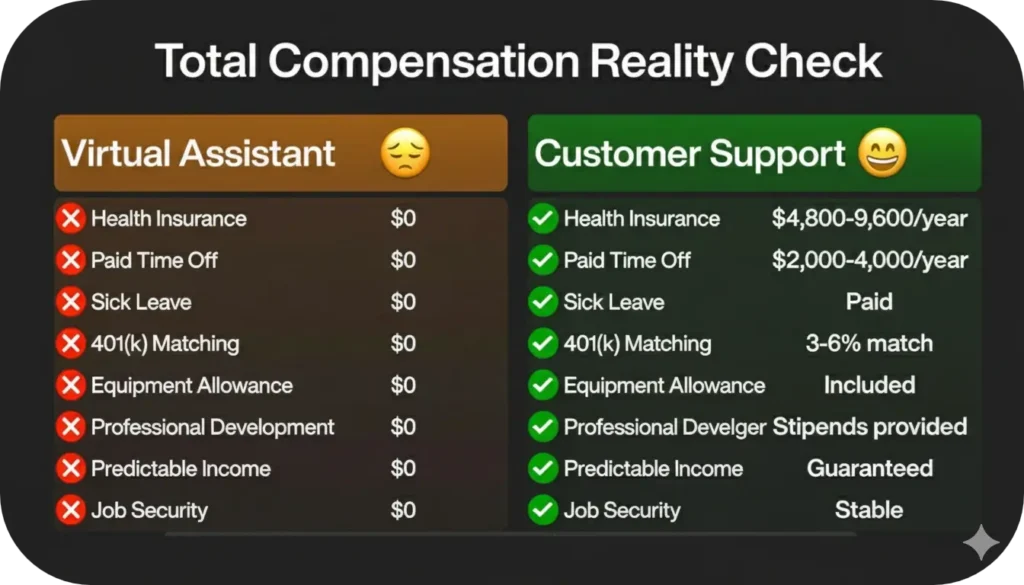
Customer support positions include benefits online virtual assistant jobs never provide:
- Health insurance worth $400-$800 monthly ($4,800-$9,600 yearly)
- Paid time off worth $2,000-$4,000 annually
- 401(k) matching at 3-6% of salary
- Professional development stipends
- Equipment allowances
- Sick leave without income loss
When factoring total compensation, the gap widens to ~$85,000-$100,000+ over five years. Companies with community-focused culture values also provide remote job opportunities with career mentorship and growth paths unavailable to independent contractors.
Structured Career Progression You Can Plan
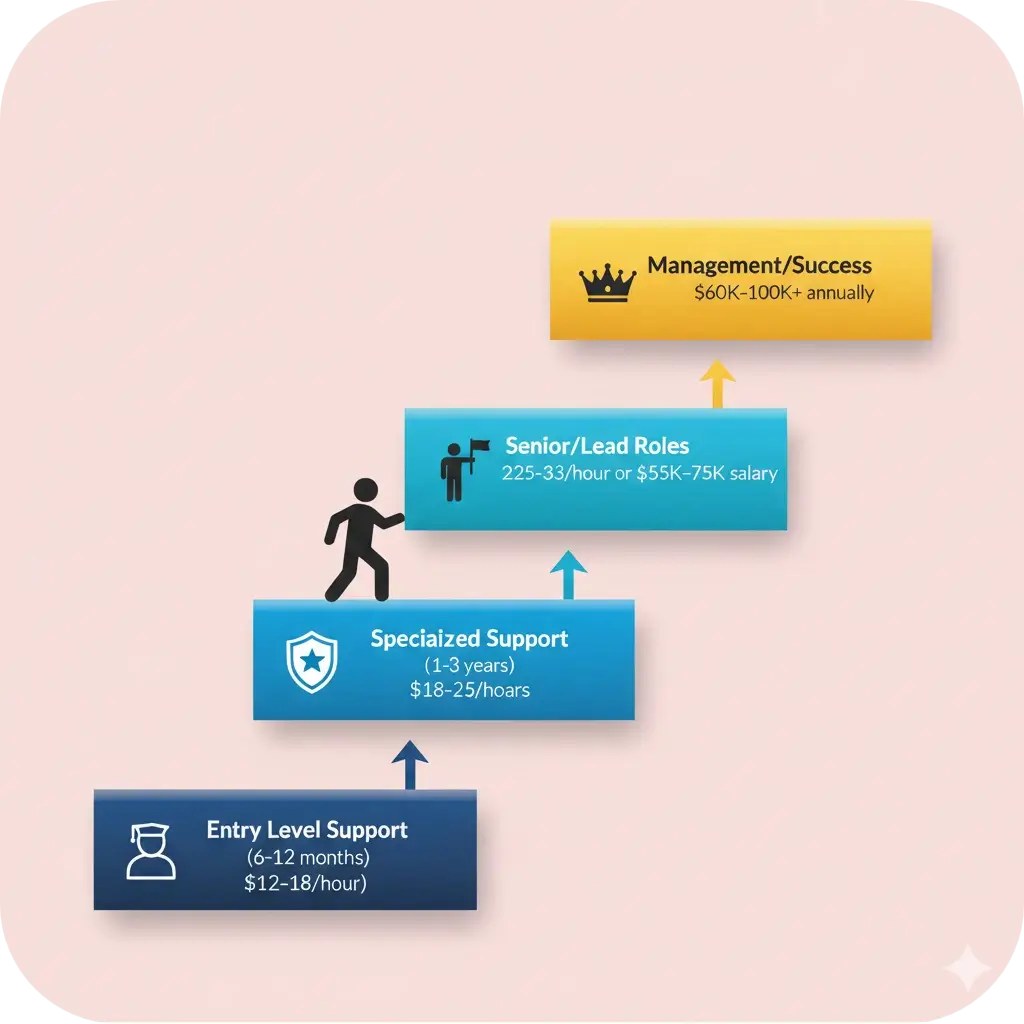
Unlike flat virtual assistant services, customer support offers clear advancement:
Entry Level (6-12 months): Front line support at $12-$18/hour learning products and efficiency optimization
Specialized Support (1-3 years): Technical support or product specialist at $18-$25/hour with deeper expertise using AI tools and advanced systems
Senior/Lead Roles (3-5 years): Quality assurance or team lead at $25-$35/hour or $55,000-$75,000 salary managing team scale
Management/Success (5+ years): Customer Success Manager or operations roles at $60,000-$100,000+ annually
Each step brings measurable skill development and compensation increases – not the uncertain plateau executive assistant remote jobs present.
Your VA Skills Already Qualify You for Support Work
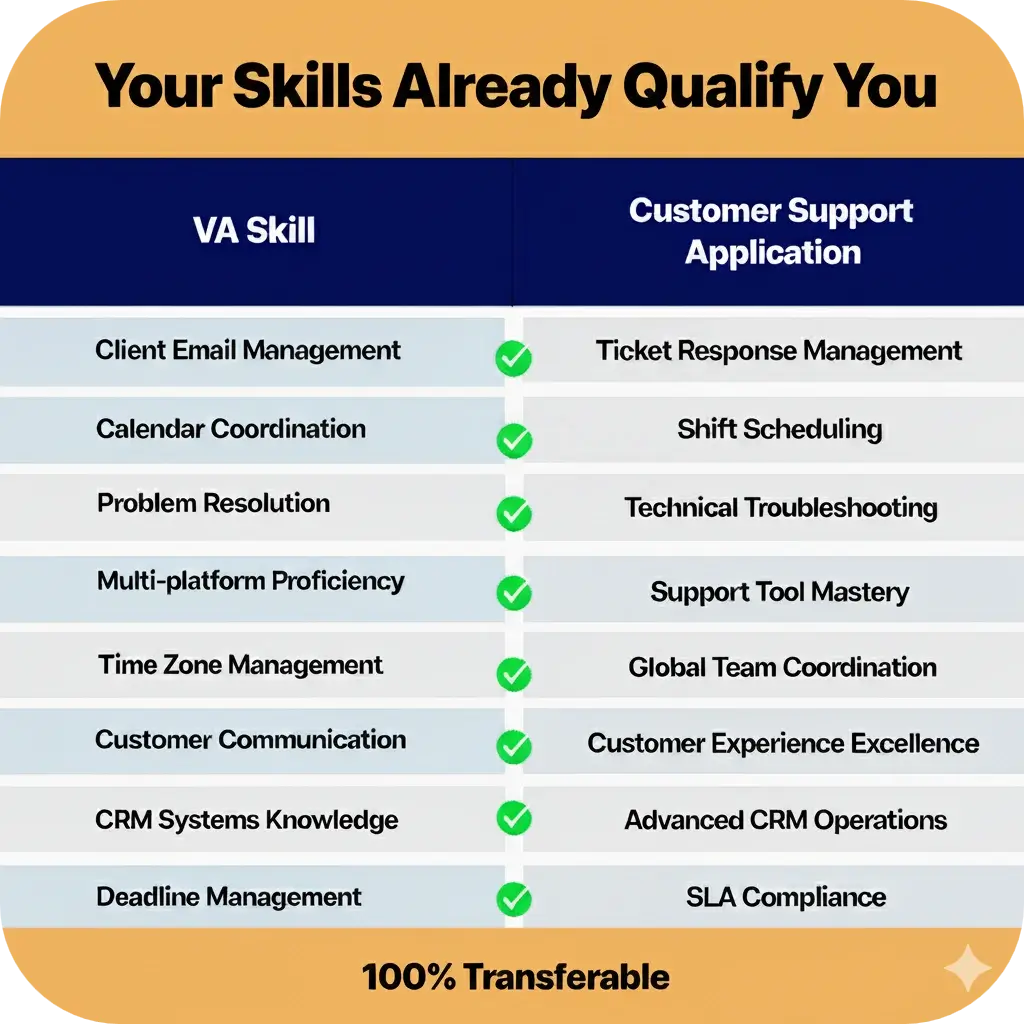
Communication Excellence Transfers Directly
Every email you’ve crafted for clients, every difficult conversation you’ve navigated – these experiences make you ideal for remote customer support jobs.
VAs master understanding needs, explaining clearly, and adapting communication styles. Whether you’ve worked with entrepreneurs, startups, or established firms, these skills matter more than technical knowledge.
Your client communication background proves you care about customer experience, not just task completion. That mindset separates great support professionals from mediocre ones. Companies value this client satisfaction orientation above everything else.
Problem-Solving Under Pressure Is Your Secret Weapon
Managing multiple clients with different systems, tools, and preferences? That’s advanced problem-solving under pressure. Handling technical issues like Cloudflare Errors or troubleshooting Ray ID problems for clients? That’s technical aptitude.
Figuring out unfamiliar platforms on the fly? Quick learning. Organizing social events, coordinating schedules, and managing complex spreadsheet data? – Systems thinking.
VAs develop these competencies daily. Where new support hires struggle with varying customer situations, former VAs thrive because they’ve already mastered working across diverse contexts with demanding stakeholders.
Digital Tool Proficiency Gives You an Edge
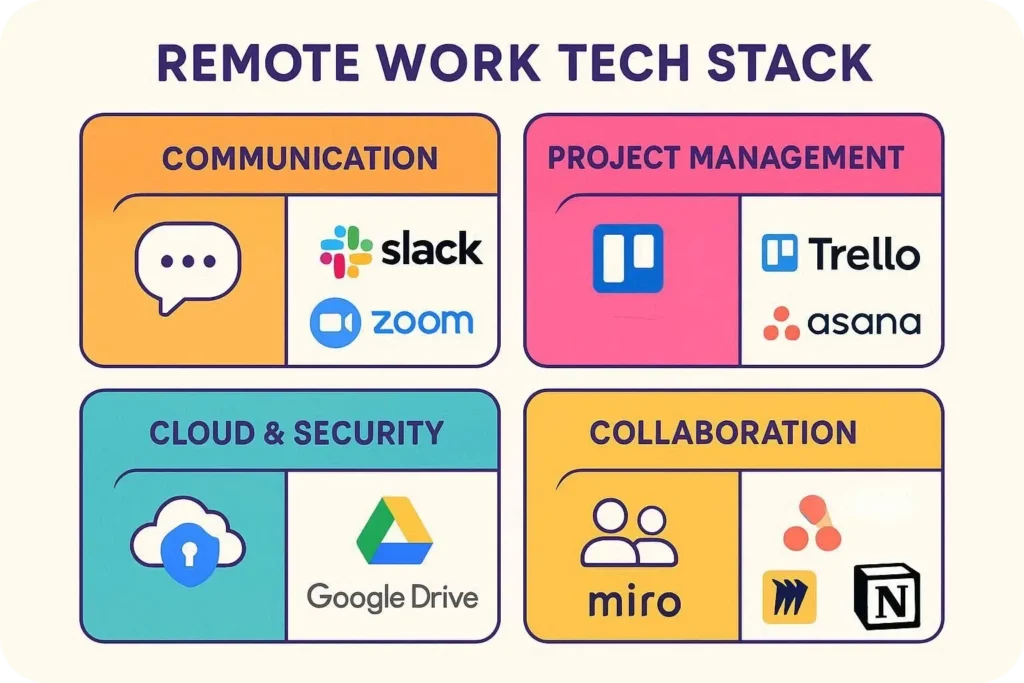
You’re already comfortable with project management software, communication platforms, CRM systems basics, and learning new tools quickly. Customer support uses similar technologies – ticketing systems like Zendesk, communication tools like Slack, platforms like HubSpot.
Many remote customer support jobs specifically seek candidates comfortable in digital-first environments. Your virtual assistant background demonstrates this perfectly.
Making the Switch: VA to Customer Support
Translating Your Experience for Applications
Frame your VA work highlighting customer-facing wins: “Managed customer communications for six e-commerce clients maintaining 95%+ satisfaction ratings” beats “answered emails.“
Quantify everything: response times, customer satisfaction feedback, issue resolution rates, volume handled. Transform “handled client scheduling” into “coordinated 200+ monthly appointments across 8 time zones with 99% accuracy improving efficiency by 35%.“
Your resume should emphasize reliability, adaptability, and results. Use a professional resume builder if needed, or invest in quality headshots through a headshot generator tool to polish your application materials. Create personalized cover letters that address career change directly.
Where to Find High-Paying Support Positions
We may be biased but signing up for FREE Remote Jobs Central Newsletter can be your BEST CHOICE (where we send you curated worldwide remote customer support jobs). Of course, you don’t have to take our word for granted – Please see our reviews.
Crafting Applications That Stand Out
VA jobs for beginners require skills many people lack – you’ve already mastered them. Highlight specific examples where you turned frustrated clients into satisfied ones.
Be honest about seeking better compensation and career stability. Avoid generic applications. Research each company’s culture, mention specific values aligning with your experience, and demonstrate genuine interest in their mission beyond just securing employment.
Stories from VA’s Who Tripled Their Income:

Companies Pay Support More: Because Revenue Depends on It
Essential Infrastructure vs. Optional Support
Customer support represents core business infrastructure. Virtual assistants handle tasks that can be delayed without immediate consequences. Startups and established companies alike recognize this difference.
Support handles issues affecting revenue TODAY. Every unresolved ticket risks customer churn. A single lost customer might represent $5,000-$50,000 in lifetime value. Entrepreneurs building their companies protect that investment by paying support teams well.
Measurable Impact Commands Premium Pay
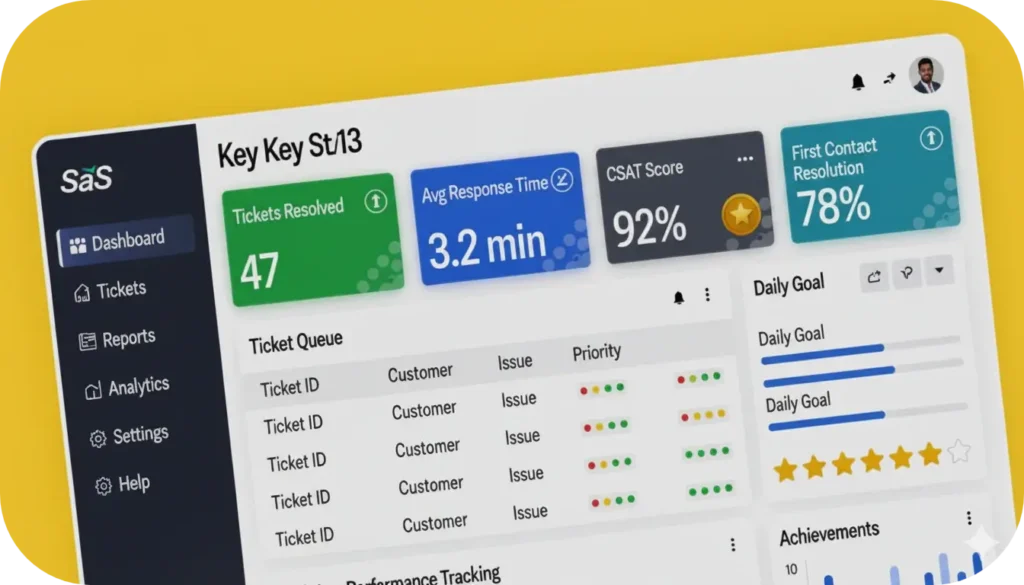
Support performance ties to objective KPIs – resolution time, CSAT scores, first-contact resolution. Companies pay more for roles with clear ROI and improved efficiency metrics.
A skilled support agent saving one $10,000 annual contract justifies their $25/hour rate. That direct connection between support quality and customer lifetime value means businesses invest significantly in these teams.
VA contributions feel subjective. “Did they complete tasks well?” vs “Did they resolve 47 tickets this week maintaining 92% satisfaction?” The measurability difference drives compensation gaps. Companies can scale support teams confidently when metrics prove ROI.
Fixed Schedules Protect Against Outsourcing
Support requires coverage during specific hours protecting customers across time zones. This commitment commands premium pay compared to “flexible availability” commoditizing VA work.
Being available 9am-5pm EST is worth more than “anytime” availability. Companies need English-fluent, culturally-aligned support during business hours – maintaining wage standards remote VA jobs cannot sustain.
This scheduling requirement also creates better work-life boundaries. The structure, ironically, provided more true freedom than “flexible” VA scheduling ever did.
Take Action: Your Path to Better Career Starts Today
Calculate Your Real VA Earnings
Track everything for two weeks: client work, marketing, invoicing, payment follow-ups, onboarding. Most VAs discover they’re actually earning $5-$8/hour when accounting for unpaid time creating presentation materials, managing spreadsheet data, and handling administrative overhead. Be brutally honest. That $15/hour rate might be $9/hour reality. This clarity provides motivation for exploring better remote job opportunities in customer support.
Update Your Resume
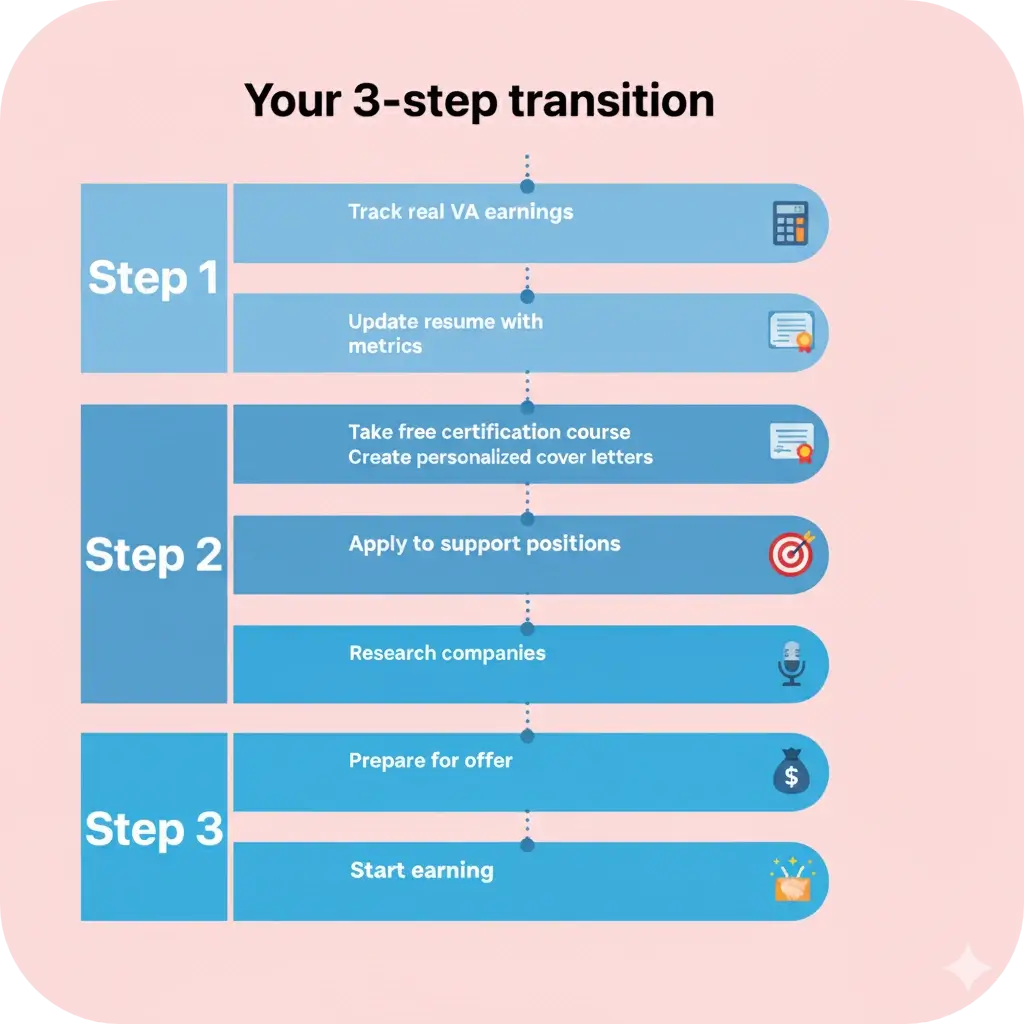
Dedicate one hour revising your resume with customer-focused language and quantified achievements. Use a resume builder if helpful, invest in professional headshots using a quality headshot generator, and create personalized cover letters for each application.
Then apply to customer support positions. Focus on open positions at companies with strong cultures. Start with entry-level positions at growing companies known for internal mobility. Don’t wait for “perfect” opportunities. Get your foot in the door at higher pay, then advance from there.
Free Resources to Accelerate Your Transition
Take advantage of customer service courses on LinkedIn Learning, and/or HubSpot Academy. These upskilling programs strengthen your application significantly. You can take customer service certification before applying. Consider similar certifications to demonstrate commitment to professional development and improved efficiency.
Many customer support roles provide paid training – you don’t need to master AI tools, advanced SEO principles, or complex technical skills before starting. Companies value your communication abilities and customer-first mindset more than technical expertise.
Building Your Remote Support Career Beyond Entry Level:

Specialization Paths That Increase Earnings
Once you land a customer support role, specialization accelerates earnings growth. Technical support roles requiring troubleshooting skills like resolving Cloudflare Errors, understanding Ray ID systems, or managing complex integrations pay $22-$35/hour.
Product specialists who deeply understand specific platforms become invaluable. Customer success managers who proactively prevent churn earn $60,000-$90,000+ annually. These opportunities rarely exist in generalist remote assistant jobs.
Leveraging AI Tools and Technology
Modern customer support increasingly uses AI tools for efficiency gains. Learning these systems makes you more valuable. Many companies provide training on advanced platforms, Content Management Systems, and automation tools.
Your VA background with various technologies gives you an advantage. You already understand systems thinking and tech adoption. Support roles let you go deeper, mastering platforms that directly increase your market value and earning potential.
Companies actively seek remote talent comfortable with technology evolution. Demonstrating adaptability with AI tools and emerging technologies positions you for rapid advancement and higher compensation tiers.
Geographic Flexibility with Location-Independent Pay
Unlike location-dependent salaries, many remote support roles pay consistent rates regardless of where you live. Whether you’re in California, Montana, Georgia, or anywhere in the world, you access the same remote job opportunities at the same compensation levels.
This geographic flexibility combined with support role stability creates lifestyle options VA work promises but rarely delivers. You can live affordably in lower-cost regions while earning rates typically reserved for high-cost metropolitan areas.
The global network of remote support professionals also provides community, learning opportunities, and career advancement pathways independent contractors lack. You’re part of teams, not isolated service providers.
Conclusion:

Choose the Career Path That Pays What You’re Worth
The question isn’t whether work from home virtual assistant jobs have value. The question is whether you’re leaving $20,000-$30,000 annually on the table because you didn’t know better opportunities existed.
Virtual assistant remote jobs offer flexibility with income ceilings, client instability, and limited advancement. Remote Customer Support jobs on the other hand provides identical remote flexibility plus structured career growth, higher earnings, job security, and benefits building long-term financial stability.
Your VA experience already qualifies you. Your communication skills, problem-solving abilities, and digital proficiency are exactly what support teams need. Whether you’ve worked with entrepreneurs, startups, or established firms, these skills translate directly.
The only difference? Compensation – and that difference exceeds $75,000 over five years. Every month you wait represents $400-$1,500 in lost income. You’re not starting over – you’re applying existing skills in a higher-paying context with real opportunities for advancement.
Ready to take the next step? Want exclusive access to the best remote jobs worldwide, including opportunities with many super cool companies that you may have never heard of (but YOU SHOULD)? Then, Sign up to our FREE Remote Jobs Central newsletter to get the latest remote job listings directly in your inbox and also Subscribe to our YouTube channel for awesome videos with research backed insights and expert tips.
What’s the biggest challenge you face in your Remote Jobs search? Have you ever applied for one online? Share your experience in the comments below.
FAQ:
How do I become a remote virtual assistant?
Becoming a remote virtual assistant requires identifying your strongest administrative skills like communication, organization, and scheduling software proficiency, then creating profiles on different platforms to find initial clients. However, before pursuing VA work at $4-$12/hour, consider that customer support roles pay $12-$30/hour for similar skills with better career progression and opportunities for advancement.
What jobs make $3,000 a month without a degree?
To earn $3,000 monthly ($36,000 annually), you need approximately $17-$18/hour at full-time hours. Remote customer support positions commonly pay this rate without requiring degrees, valuing communication skills and customer-first mindset instead. Other options include technical support roles ($18-$25/hour) at startups and established companies, sales development representatives, and bookkeeping positions. Virtual assistant work rarely reaches $3,000 monthly consistently due to rates capping at $10-$15/hour and client churn creating income instability even for experienced VAs with upskilling programs completed.
How much do remote virtual assistants make?
Remote virtual assistants typically earn $4-$12 per hour, with most generalist VAs averaging $8-$10/hour regardless of location in California, New York, Atlanta, Pennsylvania, Colorado, Montana, New Jersey, or elsewhere. At 40 hours weekly, this translates to $16,640-$24,960 annually before accounting for unpaid administrative time. Experienced VAs with specialized skills may reach $15/hour ($31,200 annually), while customer support professionals with similar skills earn $12-$30/hour ($24,960-$62,400 annually) through remote job opportunities with structured advancement.
How much does Amazon virtual assistant earn?
Amazon virtual assistant positions supporting Amazon sellers with listing optimization, customer service, and inventory management typically earn $5-$15 per hour depending on specialization. Most entry-level Amazon VAs start at $6-$8/hour as independent contractor or 1099 positions. However, Amazon virtual assistant remote jobs within Amazon’s customer service division start at $15-$18/hour with benefits, better job security, structured advancement, and opportunities unavailable to independent VAs serving Amazon sellers through freelance virtual assistant jobs platforms.