
Data Entry Clerk Remote Jobs: 11 Shocking Truths Revealed

Summary:
Data entry clerk remote jobs promise flexibility and easy entry into the remote workforce, but the reality often tells a different story. This guide reveals what you really need to know about remote data entry positions, from daily responsibilities and salary expectations to career growth limitations and better-paying alternatives that use the exact same skills you already have or plan to develop.
Key Takeaways:
• Data entry clerk remote jobs typically pay $12-$18/hour with limited advancement opportunities beyond supervisor roles
• Core skills include typing speed (40-60 WPM), attention to detail, and proficiency with Microsoft Office and data entry software
• Remote data entry work faces high automation risk and repetitive tasks that can lead to burnout within 1-2 years
• Alternatively, customer service positions offer 40-60% higher pay using identical foundational skills like typing accuracy and time management
• Legitimate data entry clerk remote jobs require careful vetting to avoid scams promising unrealistic earnings
• Career progression from data entry clerk to customer support roles provides transferable skills in communication and problem-solving
• Remote customer service jobs offer clear advancement paths to management, sales, marketing, and specialized technical roles.
Introduction:
The Honest Truth About Data Entry Clerk Remote Jobs Nobody Tells You
Data entry clerk remote jobs flood job boards every single day, promising anyone with basic typing skills a chance to work from home. While remote data entry clerk positions claim to offer genuine opportunities for people seeking work-from-home arrangements, the reality often falls short of expectations. The repetitive nature, limited growth potential, and surprising challenges can leave even the most optimistic workers questioning their choices.
But here’s what it gets exciting: those same skills you’re developing or already have for data entry work? They’re your ticket to far better remote opportunities that most people completely overlook.
In this guide, I’ll walk you through everything you need to know about data entry clerk remote jobs, including the uncomfortable truths that job postings won’t tell you. More importantly, I’ll show you how to use those same basic skills to land higher-paying, more satisfying remote positions with actual career trajectories.
Ready to make an informed decision about your remote work future? Let’s get into it.
What Does a Data Entry Clerk Actually Do?

A data entry clerk handles the critical task of inputting, updating, and maintaining information in computer systems and databases. Think of them as the people who keep business data organized and accessible.
Your day-to-day responsibilities as a remote data entry clerk typically include:
• Typing information from source documents into designated database systems
• Verifying accuracy of entered data against original documents
• Updating existing records with new information
• Organizing digital files and maintaining document management systems
• Maintaining strict confidentiality of sensitive business information
Data entry work comes in several flavors. Numeric data entry focuses on financial records, inventory counts, and statistical information. Text-based entry handles customer information, medical records, and general business communication. Transcription work converts audio recordings or handwritten notes into digital format.
Healthcare facilities need data entry clerks for patient administrative tasks and medical records. Financial institutions rely on them for processing transaction data and account information. Retail companies use them for inventory management and order processing. Insurance providers depend on them for claims information and policy updates.

When you work as a remote data entry clerk, your home office setup becomes your workspace. You’ll spend most of your day at a computer, using specialized data entry software, database management systems, and tools like Microsoft Excel and Google Sheets. The work requires intense focus, following strict accuracy standards, and meeting daily productivity quotas, often with minimal supervision.
Skills You Need for Data Entry Jobs (And Where They Really Shine)
Success in data entry clerk remote jobs demands a specific set of abilities that are surprisingly straightforward to develop.
Typing speed and accuracy sit at the foundation. Most data entry positions require minimum speeds of 40-60 words per minute with near-perfect precision. A single misplaced decimal point in financial data or a typo in medical billing information can create serious problems.
Attention to detail separates good data entry clerks from those who struggle. You need eagle eyes to catch inconsistencies, spot errors before they enter the system, and maintain focus during repetitive tasks.
Basic computer skills are non-negotiable. You’ll need proficiency with Microsoft Office Suite (especially Excel and Word), familiarity with database systems and CRM tools, comfort with Google Workspace applications, and the ability to learn new software platforms quickly.
Time management keeps you productive. Meeting deadlines while maintaining accuracy, juggling multiple data entry projects, and staying focused during long work sessions all require solid organizational abilities.
Here’s what fascinates me about these skills: they’re not just valuable for data entry work. Every single one translates directly into higher-paying remote positions that most job seekers completely miss.
Your typing speed? Customer service representatives use it constantly in email correspondence and live chat support. Your attention to detail? Critical for customer service roles handling billing information and account management. Your time management? Essential for balancing multiple customer interactions and solving problems efficiently.
The skills you’re building for data entry clerk remote jobs are actually your foundation for careers paying 40-60% more. Most people just don’t realize it yet.
The Reality Check: What Working Remote Data Entry Is Really Like
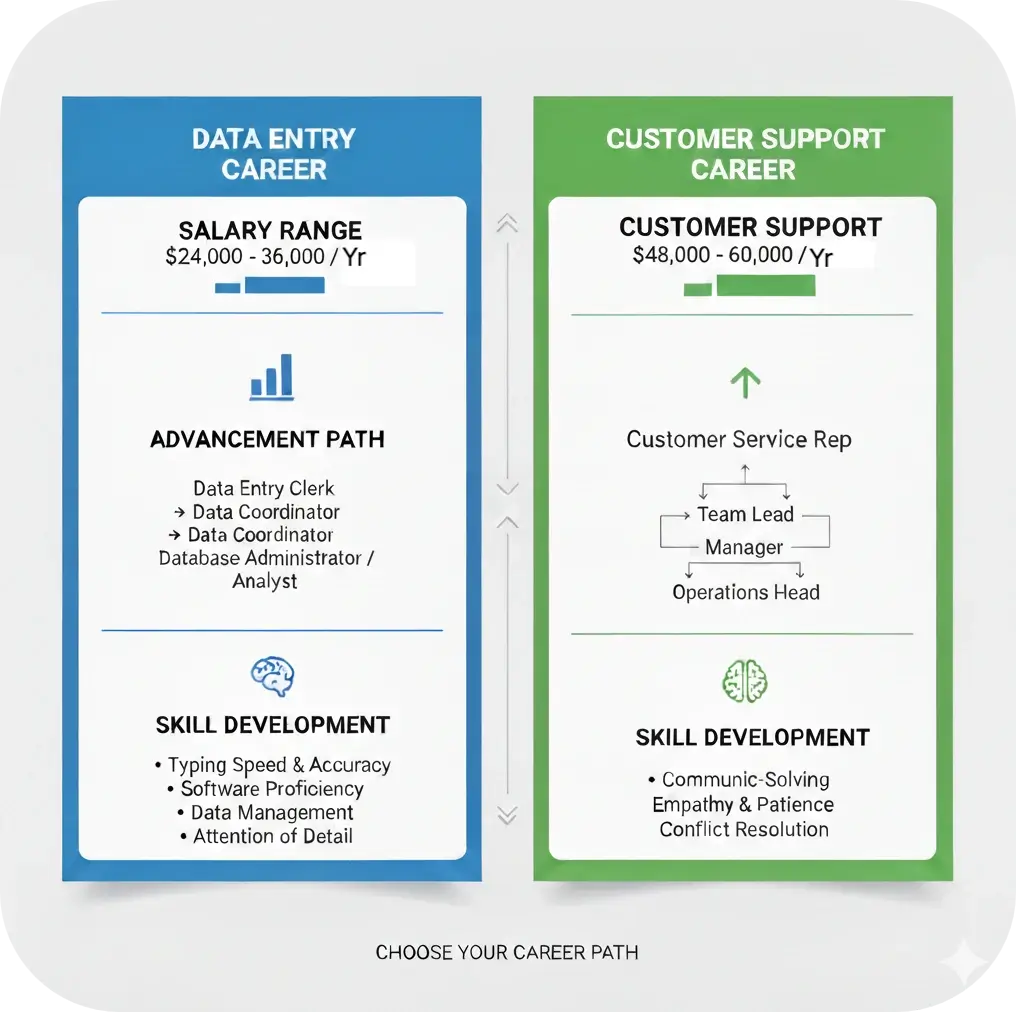
Let me be straight with you about remote data entry clerk positions. There are genuine advantages, but the challenges often surprise people who jump in without understanding what they’re signing up for.
The Good Parts:
Data entry clerk remote jobs offer real work-from-home flexibility. You save money on commuting, gas, and professional wardrobes. You create your own workspace exactly how you want it. Many positions offer flexible hours that fit around your life.
The entry barrier is remarkably low. You don’t need a college degree for most data entry positions. No specialized certifications are required. If you can type accurately and follow instructions, you can get hired.
The Uncomfortable Truth Nobody Mentions:
The repetitive nature of data entry work creates mental fatigue faster than you’d expect. You’re performing the same keystrokes, entering the same types of information, and staring at spreadsheets for hours. Research shows this monotonous work routine can cause your mind to wander, reducing accuracy over time.
Career advancement opportunities are severely limited. You might become a senior data entry clerk or eventually a supervisor, but that’s essentially where the road ends. There’s no clear path from data entry to management, marketing, or strategic roles.
The salary ranges for remote data entry clerk positions typically fall between $25,000 and $35,000 annually. That’s ~$12-$18 per hour for work that demands intense concentration and accuracy. Compare that to similar remote roles requiring the same foundational skills but paying $35,000-$55,000 or more.
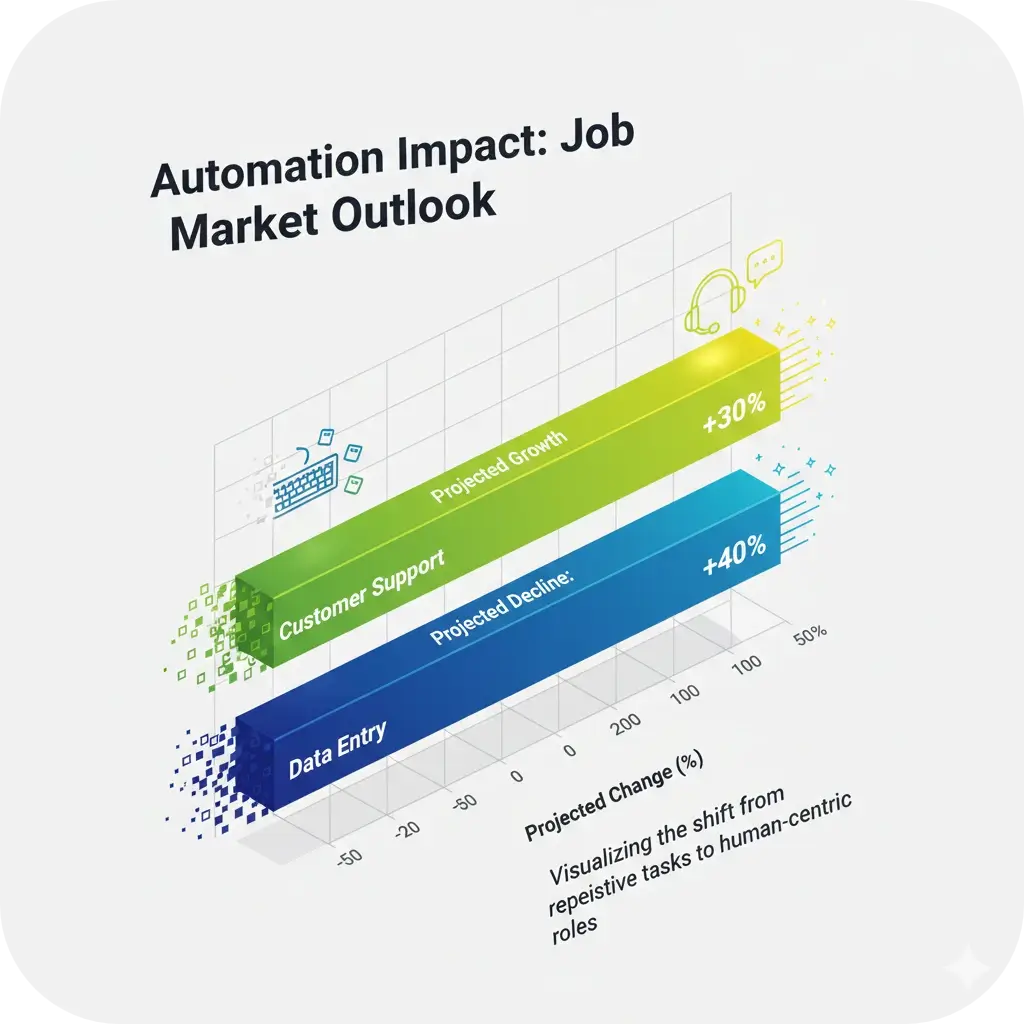
Automation and AI pose a genuine threat to data entry jobs. Companies are increasingly using OCR (optical character recognition), automated data capture, and machine learning systems to handle tasks that once required human data entry clerks. Your job security depends on tasks that technology is getting better at every year.
Then isolation hits harder than expected. Remote data entry work offers minimal human interaction. You’re not building relationships, solving problems collaboratively, or engaging in meaningful conversations. Many data entry clerks report feeling disconnected and lonely.
Staying engaged long-term proves difficult. The lack of variety in daily tasks, limited opportunities to use creative thinking, and absence of problem-solving challenges leave many workers feeling unfulfilled. Industry data suggests many data entry professionals experience burnout within just 1-2 years.
Skill development beyond typing speed essentially flatlines. You’re not gaining communication abilities, leadership experience, or strategic thinking capabilities. The expertise you build remains narrowly focused on data entry software and typing accuracy.
What Data Entry Clerks Actually Earn:
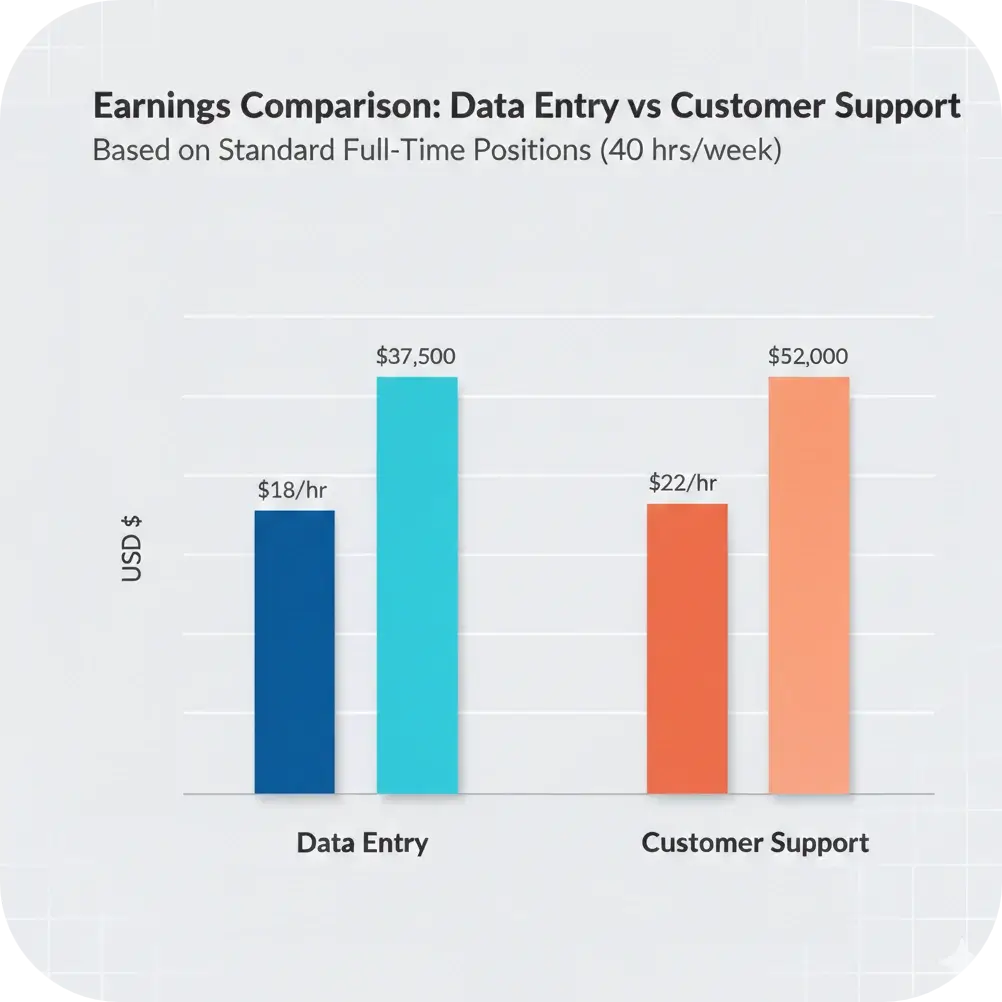
Let’s talk numbers because salary expectations matter when you’re planning your career.
Data entry clerk remote jobs typically pay between ~$12 and $18 per hour. Entry-level positions often start around $12-$14 hourly, while experienced data entry clerks might reach $16-$18. Specialized work like medical billing or legal data entry can push slightly higher, but not dramatically.
Annually, that translates to roughly $25,000-$37,000 for full-time remote data entry positions. Your exact pay depends on several factors: your typing speed and accuracy rates, the industry you’re working in, whether you’re handling specialized data like medical records or legal documents, and your geographic location (even for remote work).
Most data entry clerk positions offer straightforward hourly wages with little room for performance bonuses or incentives. Benefits packages tend to be minimal for entry-level remote data entry jobs. Alternatively, customer service roles requiring the exact same foundational skills (typing, accuracy, time management) typically pay $16-$25 per hour. That’s a 33-56% increase for work that’s actually more engaging and offers genuine career advancement.
Before you submit applications for data entry clerk remote jobs, ask yourself: if you’re going to develop these skills anyway, wouldn’t it make sense to apply them in positions offering better compensation and growth potential?
Finding Legitimate Jobs (And Avoiding the Scams)
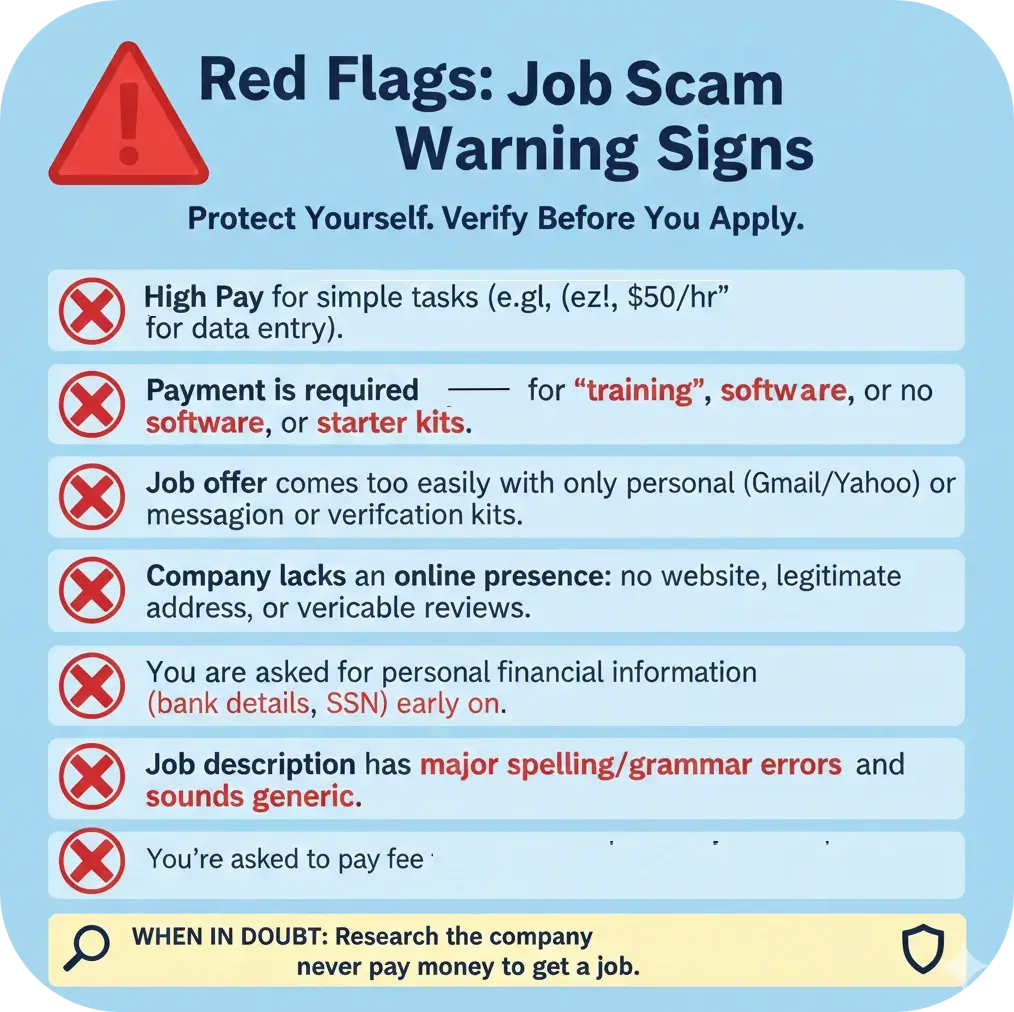
If you’re determined to pursue data entry clerk remote jobs, you could literally be searching for a needle in a haystack, because these roles are almost hard to come by (especially in a remote setting).
The scam landscape is brutal in the data entry world. Any posting promising $50-$100 per hour for basic data entry work is lying. Companies requesting upfront fees for training, equipment, or “certification” are running scams. Job listings with vague descriptions and no company information should trigger alarm bells. If an opportunity sounds too good to be true, it absolutely is..
But here’s my honest advice: before you invest time applying to dozens of data entry positions, seriously consider whether there are better alternatives that match your existing skills. The application process takes the same effort whether you’re pursuing a $10/hour data entry clerk role or a $20/hour customer service position.
The Career Ceiling: Why Data Entry Keeps You Stuck
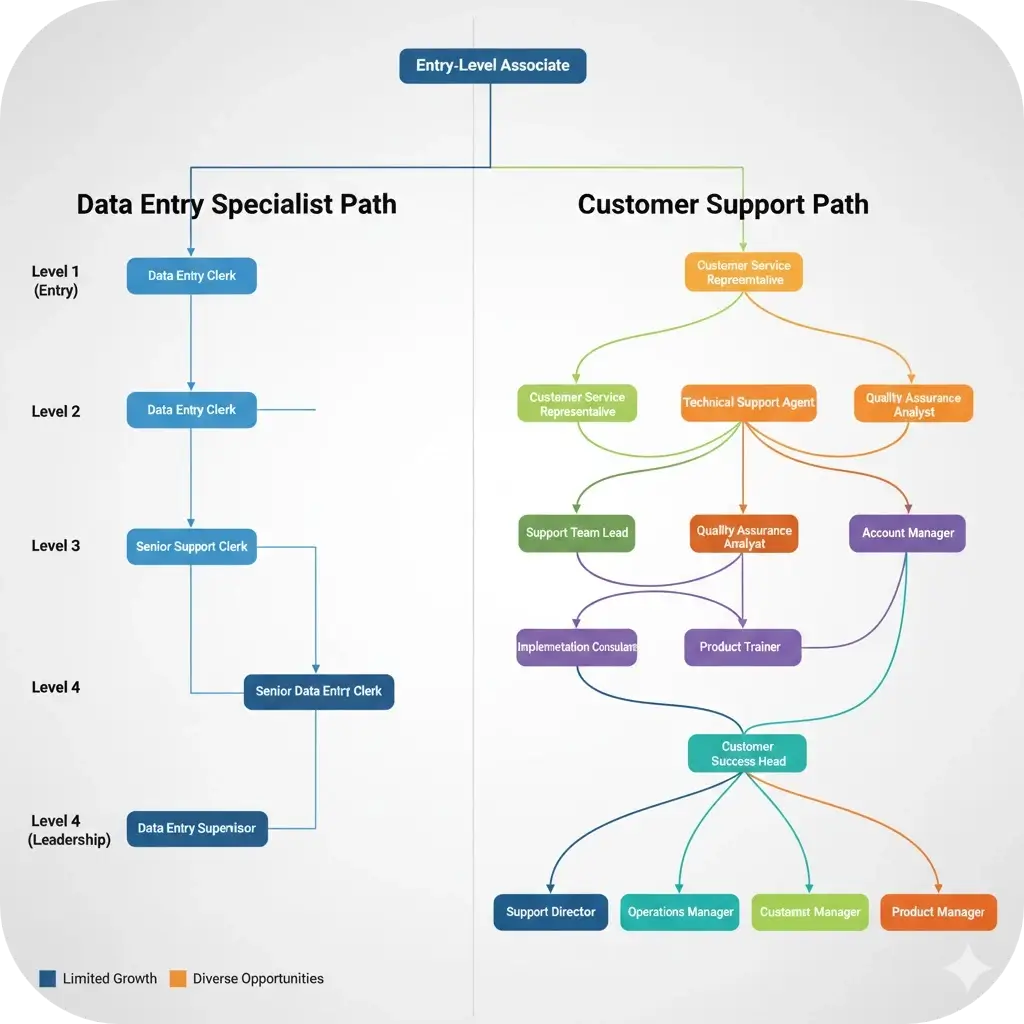
This is where we need to have a real conversation about long-term career prospects for data entry clerk remote jobs.
The advancement pathway is painfully limited. You start as an entry-level data entry clerk. With experience, you might become a senior data entry specialist with slightly higher pay. Eventually, you could supervise other data entry clerks. And that’s essentially where the road ends.
The skills you develop in data entry work don’t transfer well to other career paths. You become really good at typing quickly and maintaining accuracy. You master specific data entry software platforms. You learn to follow detailed instructions precisely. But you’re not developing communication skills, leadership abilities, strategic thinking, or customer relationship management.
The “career ceiling” problem becomes obvious within a year or two. You look around and realize there’s nowhere to grow. Job security concerns are also real and growing. Companies are implementing automation faster than ever. OCR (optical character recognition) technology can scan documents and populate databases without human intervention. AI-powered systems are handling data entry tasks that once required armies of clerks. The question isn’t if your data entry role faces automation risk, but when.
This is exactly where many data entry professionals start looking for alternatives. They realize they’ve boxed themselves into a corner with limited options and shrinking opportunities.
The good news? There’s a clear exit strategy that builds on everything you’ve already learned.
The Smart Alternative: Remote Customer Support Jobs
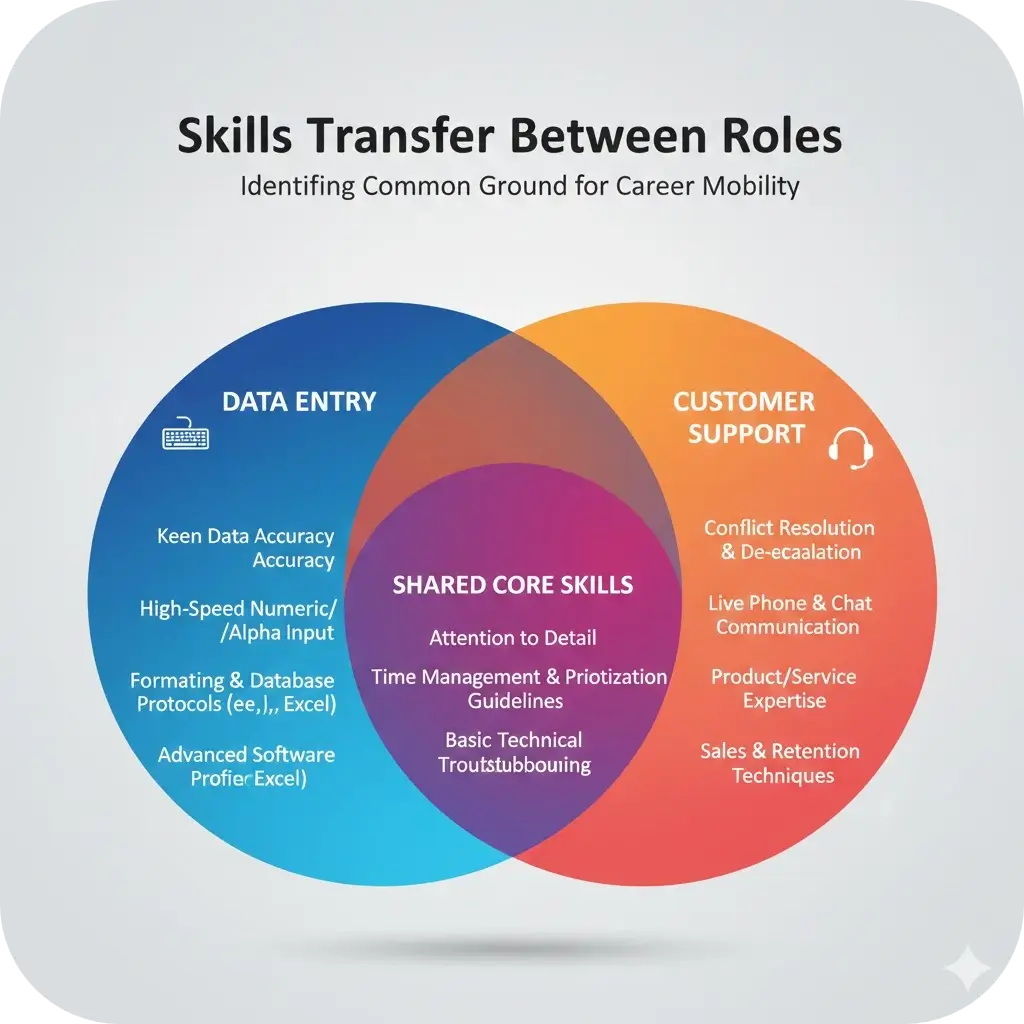
Customer support positions use the exact same core skills you already have or are developing for data entry clerk remote jobs. You need excellent typing speed for email correspondence and live chat support. You need attention to detail for handling billing information and account management. You need time management to balance multiple customer interactions efficiently.
But customer service roles add valuable interpersonal dimensions. You develop communication skills through daily customer interactions. You build empathy by understanding customer frustrations and needs. You learn problem-solving and critical thinking by addressing unique situations. You practice conflict resolution when handling difficult conversations.
The pay difference is substantial. Entry-level remote customer service representatives typically earn $35,000-$45,000 annually. That’s $16-$21 per hour compared to $12-$18 for data entry clerk positions. Experienced customer support specialists can reach $50,000-$65,000 or more.
The work environment is dynamic and engaging. Every customer interaction brings different challenges. You’re solving unique problems daily instead of repeating identical keystrokes. You build relationships with customers and team members. You see the direct impact of your work on customer satisfaction.
A Real Career Path That Actually Goes Somewhere
Customer service roles offer clear advancement opportunities that data entry clerk remote jobs simply can’t match.
You start as an entry-level customer service representative, handling basic customer inquiries and support tickets. Within 6-12 months, you can move to senior support specialist, taking on complex technical issues and mentoring newer team members.
From there, you might become a team lead or supervisor, managing a small group of customer service reps and handling escalated issues. The next step could be customer success manager, focusing on relationship building, retention, and strategic account management.
But here’s where it gets really exciting: the skills you develop in customer support open doors throughout entire organizations. Sales teams actively recruit top customer service performers who understand customer needs and can communicate value. Marketing departments value people who’ve heard thousands of customer conversations and understand pain points. Product management teams need people who can translate customer feedback into product improvements. Human resources appreciate the communication and conflict resolution skills you’ve developed. That kind of career trajectory simply doesn’t exist in data entry work.
Skills That Actually Matter for Your Future
The skills you develop in customer support roles are highly transferable and automation-resistant.
Communication and empathy can’t be replicated by software. The ability to understand a frustrated customer, acknowledge their feelings, and guide them to solutions requires human intelligence and emotional awareness.
Problem-solving and critical thinking improve with every unique situation you handle. You learn to think on your feet, analyze complex scenarios, and create solutions that work for both the customer and your company.
Conflict resolution becomes second nature. You’ll handle angry customers, navigate difficult conversations, and turn negative situations into positive outcomes. These abilities serve you in every professional context imaginable.
Customer relationship management extends far beyond data entry software proficiency. You learn to build trust, maintain relationships over time, and create loyal advocates for your company.
Technical knowledge grows naturally as you help customers with products, services, and platforms. You become an expert in your company’s offerings and develop troubleshooting abilities that translate to countless other roles.
These skills protect you from automation. While AI chatbots can handle basic questions, complex problem-solving, emotional intelligence, and relationship building remain firmly in the human domain.
The Remote Work Advantages You Actually Want
Remote customer support positions offer the same work-from-home flexibility as data entry clerk remote jobs, but the similarities don’t stop there.
Benefits packages for customer service roles typically exceed what data entry positions offer. Health insurance, retirement contributions, paid time off, and professional development opportunities come standard at many companies.
Performance bonuses and incentives reward your efforts. Many customer support teams offer quarterly bonuses based on customer satisfaction scores, resolution rates, and quality metrics. Top performers can add thousands of dollars annually to their base salary.
The industry demand is growing, not shrinking. While automation threatens data entry jobs, companies are investing more heavily in customer experience and support. Remote customer service positions are expanding as businesses recognize that exceptional support drives customer retention and revenue growth.
Making the Switch: From Data Entry to Customer Support
If you can handle data entry clerk remote jobs, you can absolutely succeed in customer support. The transition is more straightforward than you might think.
Your data entry skills transfer perfectly. Your typing speed serves you well in email support and chat interactions. Your attention to detail helps you accurately document customer issues and maintain account information. Your time management abilities allow you to handle multiple customer conversations efficiently. Your ability to follow procedures translates directly to following support protocols and escalation paths.
The additional skills you’ll develop come naturally through training and daily practice. Most companies provide comprehensive onboarding programs covering their products, support systems, and customer interaction best practices. You’ll learn through doing, gaining confidence with every customer interaction you successfully resolve.
Training and certification options can strengthen your application. Consider pursuing customer service certifications from organizations like the Customer Service Institute or HDI. Take free online courses in communication skills and conflict resolution. Practice active listening and empathy in your daily interactions.
The reassurance you need: if you have the focus and discipline for data entry clerk remote jobs, you already possess the foundation for customer support success. The rest is learnable.
Your Action Plan: Getting Started with Remote Customer Support
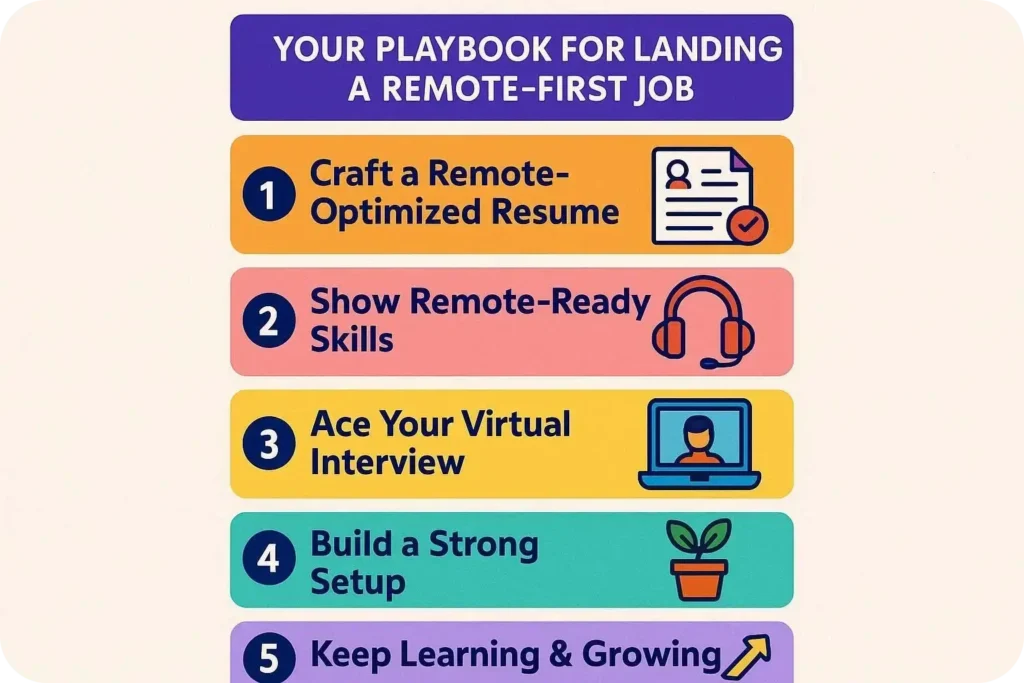
Ready to upgrade from data entry clerk remote jobs to something better? Here’s your step-by-step roadmap.
Assess Your Readiness
Start with honest self-assessment. Do you enjoy helping people solve problems? Can you stay calm under pressure when someone is frustrated? Are you comfortable learning about products and services to explain them to others? Do you communicate clearly in writing?
Identify your transferable skills from data entry work or other experience. Your typing speed and accuracy, attention to detail, time management, ability to follow procedures, and comfort with computer systems all apply directly to customer support roles.
Prepare Your Application Materials
Your resume needs to emphasize customer-focused elements. Highlight any experience involving customer interaction, problem-solving, or communication. Showcase your technical proficiency with Microsoft Office, CRM tools, and database systems. Quantify your achievements when possible (typing speed, accuracy rates, productivity metrics).
If you’re transitioning from data entry, frame your experience through a customer service lens. Instead of “entered data into database systems,” write “maintained accurate customer account information ensuring data integrity for client communications.”
Your cover letter should connect the dots for hiring managers. Explain why you’re transitioning from data entry to customer support. Emphasize your passion for helping people and solving problems. Demonstrate knowledge of the company and why you want to support their customers specifically.
Where to Find Remote Customer Support Opportunities
We may be biased but signing up for FREE Remote Jobs Central Newsletter can be your BEST CHOICE (where we send you curated worldwide remote jobs). Of course, you don’t have to take our word for granted – Please see our reviews.
Ace the Interview
Common customer support interview questions include “Tell me about a time you dealt with a difficult customer,” “How do you handle multiple priorities simultaneously,” and “Describe your approach to learning new products or systems.”
Demonstrate your potential by sharing specific examples of problem-solving, showing genuine enthusiasm for helping people, asking thoughtful questions about their customers and support processes, and explaining how your data entry background gives you attention to detail and accuracy.
Employers look for clear communication skills, patience and empathy, ability to stay calm under pressure, willingness to learn, and reliability and professionalism.
Conclusion:
Let’s recap why customer support beats data entry clerk remote jobs for your long-term career.
You’ll earn 40-60% more money annually using the same basic skills. You’ll develop transferable abilities that open doors throughout organizations. You’ll enjoy dynamic, engaging work instead of monotonous repetition. You’ll have clear advancement pathways with real growth potential. You’ll build job security in roles that resist automation.
Your remote work future doesn’t have to mean staring at spreadsheets until your eyes blur. It doesn’t have to mean hitting a career ceiling after two years. It doesn’t have to mean wondering if your job will exist in five years. Better opportunities are waiting. You already have the foundational skills. You just need to apply them in the right direction. Take the first step toward a more rewarding future today.
Ready to take the next step? Want exclusive access to the best worldwide remote jobs, including opportunities with many super cool companies that you may have never heard of (but YOU SHOULD)? Then, Sign up to our FREE Remote Jobs Central newsletter to get the latest remote job listings directly in your inbox and also Subscribe to our YouTube channel for awesome videos with research backed insights and expert tips.
What’s the biggest challenge you face in your Remote Jobs search? Have you ever applied for one online? Share your experience in the comments below.
FAQ:
Can I be a data entry clerk from home?
Yes, you can absolutely work as a data entry clerk from home with just a computer, reliable high-speed internet, and basic Microsoft Office skills. Many companies claim to hire remote data entry clerks for full-time, part-time, and freelance positions that allow you to work entirely from your home office, mentioning that you’ll need a quiet workspace, typing speed of 40-60 WPM, and attention to detail, but seldom offer genuine job listings. They also come with no commute or office presence is required for legitimate data entry clerk remote jobs, but to be honest you’re much better off applying for remote customer service jobs.
Is remote data entry job legit?
Legitimate remote data entry jobs do exist but scams are widespread in this field. Real data entry clerk remote jobs never require upfront fees, and any position promising $50+/hour for basic data entry work, requesting payment for training, or providing vague company details is almost certainly a scam.
How can I make $2000 a week working from home?
Making $2000 per week ($104,000 annually) from home requires specialized skills far beyond basic data entry clerk work, such as software development, senior sales roles, consulting, or business ownership. Entry-level remote positions like data entry ($25,000-$37,000/year) or customer service ($35,000-$55,000/year) won’t reach this income level. To earn $2000 weekly remotely, focus on developing high-value skills in technology, sales, marketing, or professional services that command premium rates.
How to make $1000 a week remote?
Making $1000 per week ($52,000 annually) working remotely is achievable through mid-level customer service roles, technical support specialist positions, sales representative jobs, or virtual assistant work for multiple clients. This income level ($25/hour for 40 hours) exceeds what data entry clerk remote jobs typically offer but is realistic with 1-2 years experience in customer-facing roles. Focus on positions offering performance bonuses, commission structures, or specialized technical skills to reach this $1000 weekly target consistently.


