Remote DevOps Jobs: 17 Attractive High-Paying Careers Hiring Now

Summary:
Remote DevOps jobs offer tech professionals unprecedented flexibility and compensation, with salaries reaching $200K+ annually. This guide reveals 17 high-paying opportunities across cloud engineering, site reliability, and platform architecture—complete with practical strategies to land these coveted positions and build a thriving career from anywhere. 🌏
Key Takeaways:
• Remote DevOps jobs command premium salaries ranging from $120K to $250K+ for experienced professionals
• Cloud platforms (AWS, Azure, Google Cloud Platform) and container orchestration remain the most in-demand technical skills
• Site Reliability Engineer and Senior DevOps Engineer positions offer the highest compensation packages
• Automation expertise with Terraform, Ansible, and Kubernetes separates top candidates from the competition
• Remote DevOps positions provide work-life balance without sacrificing career growth or earning potential
• AI integration and edge computing are creating new specialized DevOps engineer opportunities
• Strong communication skills and self-management capabilities are non-negotiable for remote workers
Introduction:
Navigating the High-Demand World of Remote DevOps Jobs
Remote DevOps jobs have transformed from rare exceptions to mainstream career paths. Right now, remote DevOps positions outnumber qualified candidates by a staggering ratio. There are approximately 3.5 open DevOps roles for every experienced professional. This isn’t temporary. As businesses accelerate cloud migration and adopt microservices architecture, demand continues climbing.
The Evolving Landscape of DevOps and Remote Work
The DevOps culture has always championed automation and efficiency. Remote work extends these principles to how we structure our working lives. When managing Kubernetes clusters and CI/CD pipelines, your physical location matters far less than your ability to troubleshoot, automate, and collaborate.
Cloud platforms like AWS, Azure, and Google Cloud Platform have made remote collaboration seamless. Your development environment lives in the cloud. Your monitoring tools are accessible from anywhere. Your incident response doesn’t require physically running to a data center.
What This Guide Offers:
Your Path to High-Paying Opportunities
This isn’t another generic listicle. I’m sharing real opportunities backed by market data, plus exact strategies you’ll discover specifically remote DevOps jobs hiring now, understand what separates $120K positions from $200K+ roles, and learn how to position yourself as the obvious choice.
Why Remote DevOps? The Appeal and Market Demand
Remote workers in DevOps roles report 27% higher job satisfaction compared to their office-bound counterparts, according to a 2024 Stack Overflow survey. But satisfaction is just the beginning.
Flexibility, Global Reach, and Work-Life Balance for Remote Workers
As a remote DevOps engineer, you can schedule deep work during peak productivity hours, attend family events without negotiating with HR, and avoid the mental drain of commuting 10+ hours weekly. Global reach means collaborating with diverse teams and building networks spanning continents.
But here’s what nobody talks about: remote work demands discipline and hence maintaining work-life balance requires intentional boundaries.
The Critical Role of DevOps in Modern Tech Infrastructure
Every digital experience you enjoy runs on infrastructure that DevOps engineers build and maintain. Companies can’t compete without reliable, scalable systems. A single hour of downtime can cost enterprises millions. Site reliability and performance optimization aren’t nice-to-haves; they’re survival requirements.
Understanding High-Paying Potentials and Market Trends
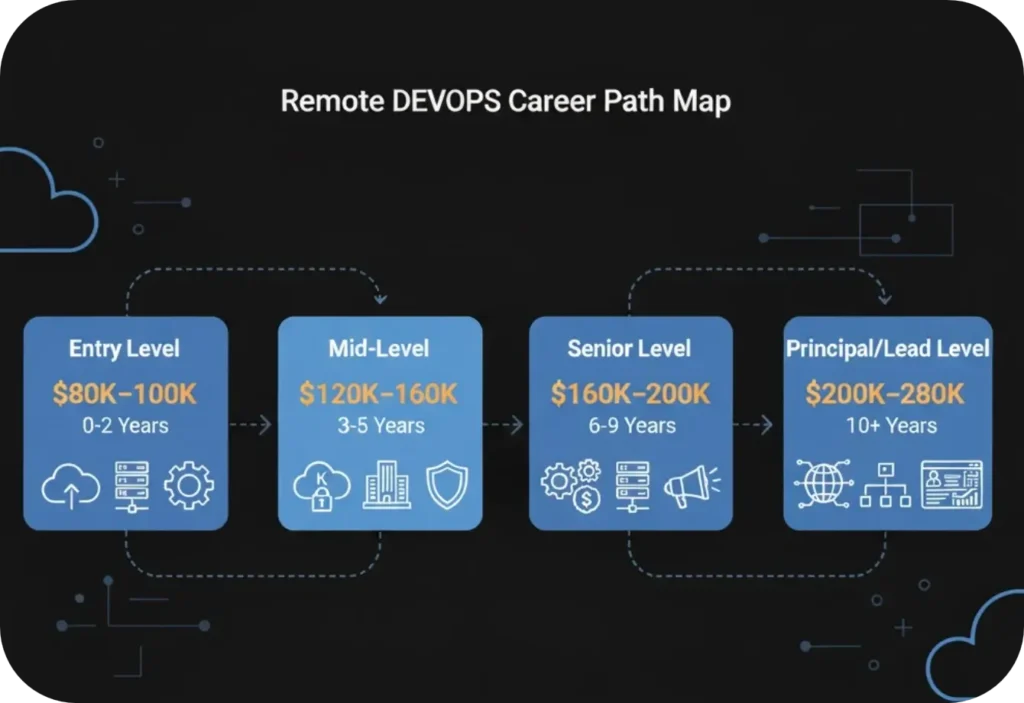
Entry-level remote DevOps jobs typically start around $80K-$100K. Mid-level positions range from $120K-$160K. Senior and principal roles? We’re talking $180K-$250K+, with total compensation packages reaching $300K+ including equity and bonuses.
Geographic arbitrage is real. A senior DevOps engineer living in a lower cost area can earn San Francisco salaries while enjoying significantly better purchasing power. Yes, it is possible. You just need to Sign up to our FREE Remote Jobs Central newsletter to get the latest remote design jobs listings directly in your inbox.
Unveiling the Top 17 High-Paying Remote DevOps Opportunities Hiring Now
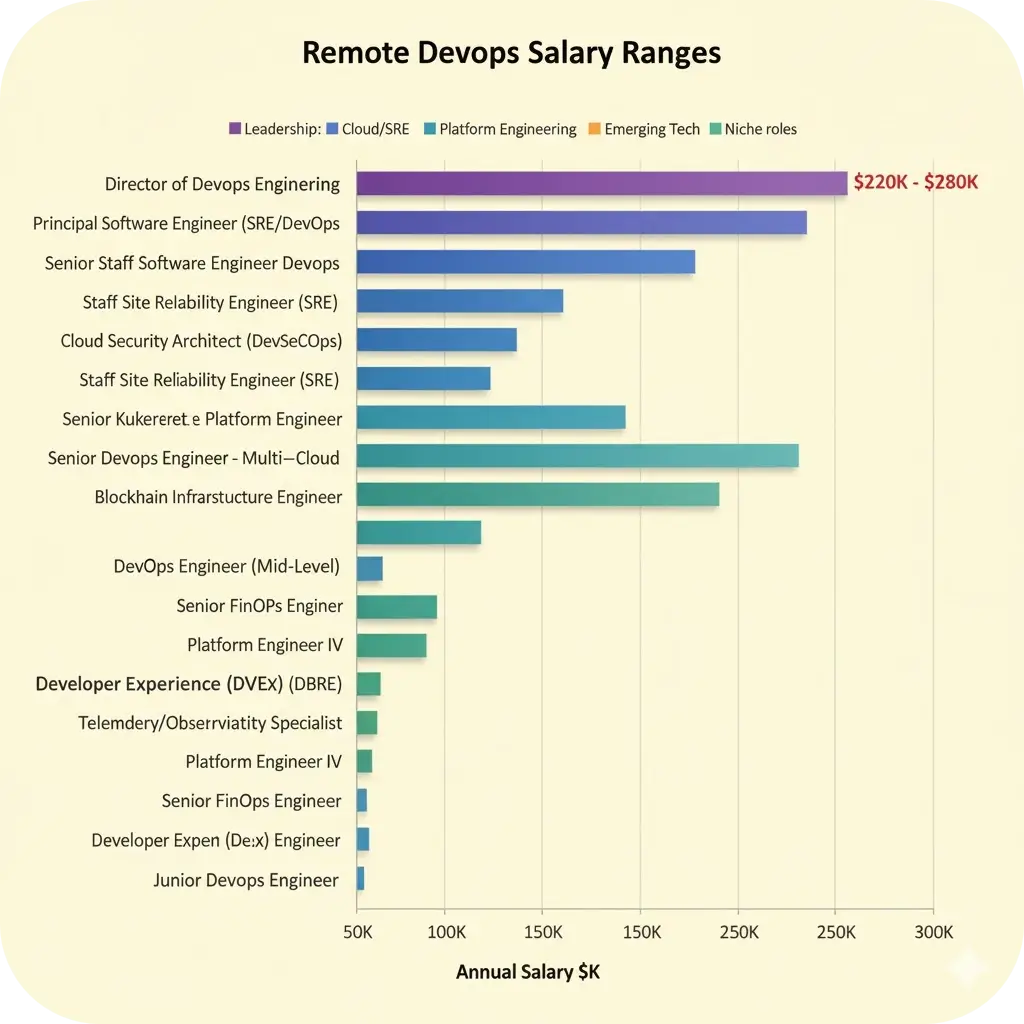
I’ve analyzed hundreds of job postings and reviewed salary data to bring you this curated list. These are real roles companies are actively hiring for right now.
Leadership & Strategic Architecture Roles
1. Principal Software Engineer (SRE/DevOps) – $200K-$280K You’re not just fixing problems; you’re designing systems that prevent them. Requirements include 10+ years of experience, deep expertise in distributed systems, and proven ability to mentor teams.
2. Senior DevOps Engineer – Multi-Cloud – $170K-$230K Multi-cloud strategy is a business requirement now. This role demands fluency across AWS, Azure, and Google Cloud Platform, plus experience with hybrid cloud solutions.
3. Senior Staff Software Engineer DevOps – $180K-$250K Staff-level positions blend technical contribution with leadership. You’ll guide architectural decisions, mentor senior engineers, and own critical infrastructure components.
Cloud-Centric DevOps & SRE Experts
4. Site Reliability Engineer (SRE) / DevOps Engineer – $140K-$200K SRE roles focus on reliability engineering, treating operations as a software problem. You’ll write code to automate operations, define service level objectives, and manage error budgets.
5. DevOps AWS Engineer – $130K-$190K AWS dominates cloud computing. Specialists who can design, implement, and optimize AWS infrastructure are in perpetual demand. AWS certification helps demonstrate expertise.
6. Senior DevOps Engineer – AI & Data Infrastructure – $160K-$220K Artificial intelligence workloads have unique infrastructure requirements. This emerging field combines traditional DevOps practices with machine learning operations (MLOps).
7. Remote Cloud Engineer – $120K-$180K Cloud engineers focus specifically on cloud infrastructure rather than the full DevOps lifecycle. You’ll design cloud architecture, manage migrations, and optimize cloud spending.
Platform Engineering & Infrastructure Specialists
8. Platform Engineer – $140K-$200K Platform engineering is DevOps evolved. You build internal platforms that enable developer self-service, creating infrastructure as a product.
9. Senior Infrastructure Engineer – $150K-$210K Infrastructure engineers maintain the foundation everything runs on. You’ll manage servers, networking, storage solutions, and core services requiring deep systems knowledge.
10. Remote Senior DevOps Engineer – $145K-$205K General senior DevOps roles remain in high demand. You’ll handle infrastructure management, deployment automation, monitoring implementation, and security practices.
Emerging Tech & Specialized DevOps Roles
11. DevSecOps Engineer – $140K-$195K Security can’t be an afterthought. DevSecOps integrates security practices directly into deployment pipelines, catching vulnerabilities before production.
12. Kubernetes Specialist – $135K-$195K Container orchestration has become the standard. Kubernetes specialists design cluster architectures, optimize resource allocation, and troubleshoot complex deployment issues.
13. Remote AWS DevOps Engineer – $130K-$185K Similar to general DevOps AWS Engineer but often focused on specific services or industries. Industry specialization increases your value significantly.
Niche & Cross-Functional DevOps Roles
14. Senior DevOps Engineer – Remote Monitoring & Observability – $140K-$195K Observability goes beyond simple monitoring. You’ll implement comprehensive telemetry, build actionable dashboards, and create alerting strategies that reduce fatigue.
15. Backend Development with DevOps Focus – $125K-$180K This hybrid role suits professionals who enjoy both building applications and deploying them. You’ll write microservices and own the entire software lifecycle.
16. Release Manager – $115K-$165K Release management coordinates deployments across teams, manages risk, and ensures smooth rollouts. Strong project management alongside technical skills is essential.
17. Remote DevOps Engineer – Hybrid Cloud Solutions – $135K-$190K Many enterprises run hybrid environments combining on-premises infrastructure with public cloud services. Managing this complexity requires understanding both worlds.
Essential Skills and Technologies for Remote DevOps Success
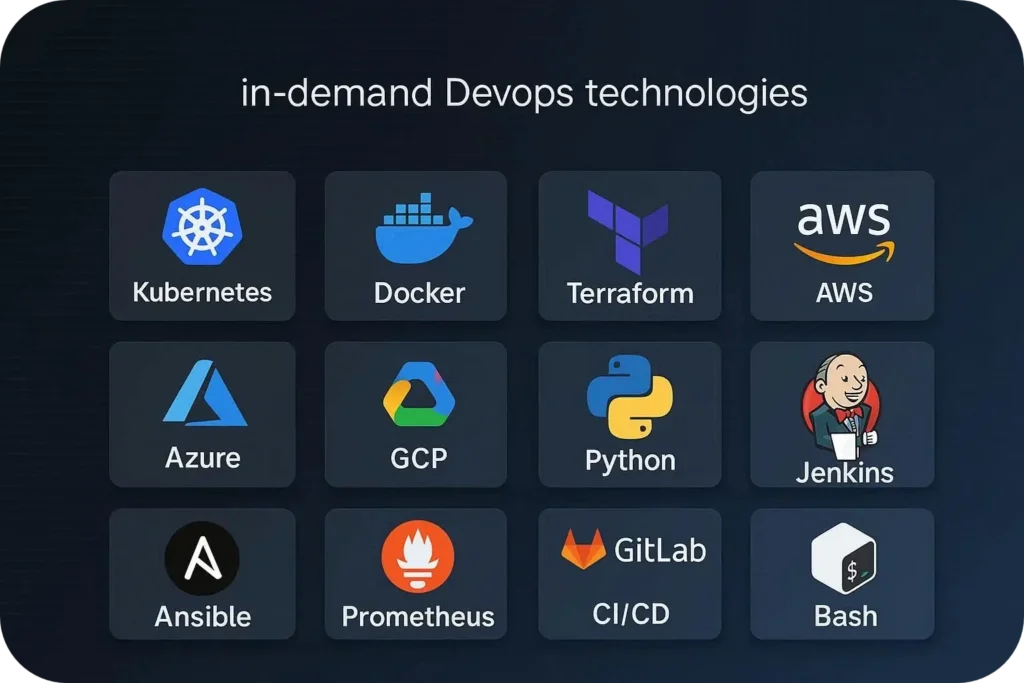
Technical skills open doors. Mastering specific technologies in depth separates good candidates from great ones.
Cloud Platforms Mastery: AWS, Azure, and Google Cloud Platform
You don’t need to master all three platforms, but know one deeply. AWS remains the market leader. Essential services include EC2, S3, VPC, ECS/EKS, Lambda, RDS, CloudFormation, and IAM. Spend time building personal projects—there’s no substitute for hands-on experience.
Automation & Orchestration Tools: Terraform, Ansible, Kubernetes, Docker
Infrastructure as code isn’t optional. Terraform has become the standard for provisioning infrastructure across cloud providers. Ansible automates server configuration with its agentless architecture.
Docker containers package applications with dependencies, solving the “works on my machine” problem. Kubernetes orchestration takes containers to production scale, though it has a steep learning curve. Start with basic deployments, then gradually add complexity.
CI/CD Pipelines and Practices: Jenkins, GitLab CI/CD, GitHub Actions, ArgoCD
Continuous integration and continuous deployment practices enable rapid software delivery. Jenkins remains widely used despite its age. GitHub Actions and GitLab CI/CD represent modern alternatives with cleaner interfaces. ArgoCD brings GitOps to Kubernetes deployments.
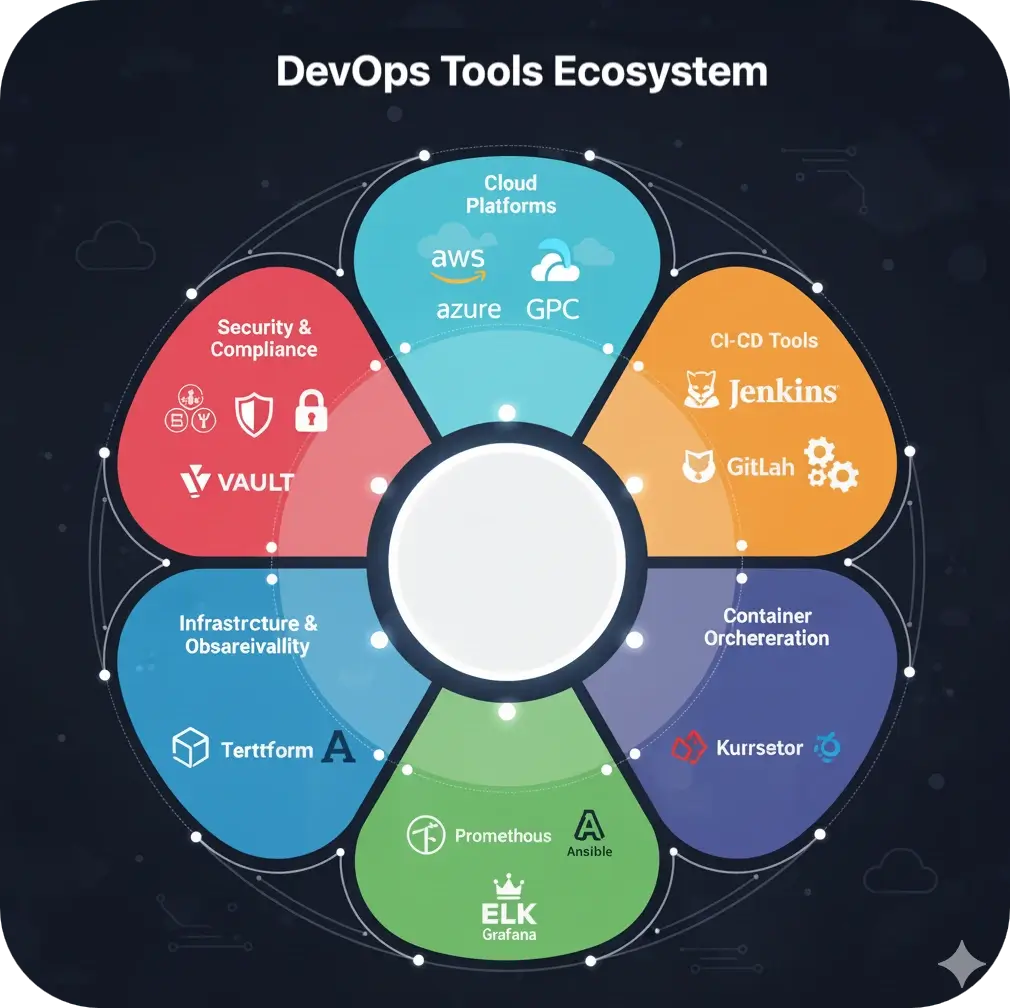
Monitoring, Logging, & Alerting: Prometheus, Grafana, ELK Stack, Splunk
“You can’t improve what you don’t measure“. Prometheus has become the standard for metrics collection. Grafana visualizes data through customizable dashboards. The ELK Stack centralizes log management across distributed services.
Good alerts are actionable, timely, and tuned to avoid false alarms. Start with fewer alerts covering critical issues, then expand gradually.
Programming & Scripting Languages: Python, Go, Bash, PowerShell
DevOps engineers write code daily. Python handles everything from cloud API interactions to data processing. Bash scripting remains essential for Linux administration. Go is gaining popularity for building DevOps tools. PowerShell dominates Windows server management.
Crafting Your Remote Edge:

Strategies to Land a High-Paying DevOps Job
Technical skills get you in the door. How you present those skills determines whether you get the offer—and at what salary.
Optimizing Your Remote Resume and Portfolio
Lead with impact, not duties. Instead of “Managed Jenkins pipelines,” write “Reduced deployment time from 2 hours to 15 minutes, enabling 10x more frequent releases.” Quantify everything: improved uptime, reduced costs, decreased response times.
Your GitHub profile matters. Contribute to open source projects, maintain infrastructure-as-code repositories, and document your work clearly. Create a personal website showcasing projects with architecture diagrams and blog posts about technical problems you solved.
Nailing the Remote Interview Process
Technical interviews include system design discussions, troubleshooting scenarios, coding exercises, and infrastructure as code reviews. Practice explaining your thinking process aloud—interviewers want to understand how you approach problems.
Behavioral questions probe remote work readiness. Have specific examples ready using the STAR method. Video presence matters: ensure good lighting, clean background, quality audio, and stable internet.
Building Your Personal Brand and Networking for Remote Jobs
Most great opportunities surprisingly come through networks. Start sharing knowledge through blog posts. Engage on professional social networks thoughtfully. Attend virtual conferences and meetups. Contribute to open source projects.
Continuous Learning and Certifications
AWS certification demonstrates commitment and validates knowledge. The AWS Certified DevOps Engineer – Professional exam is challenging but valuable. Other worthwhile certifications include Certified Kubernetes Administrator (CKA), Certified Kubernetes Application Developer (CKAD), HashiCorp Terraform Associate, and Google Professional Cloud DevOps Engineer.
For experienced engineers, certifications matter less than proven track records, but they can differentiate you against similarly experienced candidates.
Negotiating Your Remote DevOps Salary:
Benchmarking and Best Practices
Research compensation before interviews using Glassdoor. Never give the first number. Wait for written offers before negotiating. Address multiple dimensions: base salary, equity, signing bonus, vacation time, professional development budget.
Thriving as a Remote DevOps Professional

Landing a remote DevOps job is step one. Building a sustainable career requires different skills than technical expertise alone.
Mastering Remote Communication and Collaboration Tools
Written communication becomes your superpower. Practice writing clear documentation, concise messages with context, and using formatting to improve readability. Default to asynchronous communication when possible. Over-communicate status and blockers proactively.
Time Management and Productivity in a Distributed Environment
Establish clear work boundaries by maintaining a routine like: deep work 7-11 AM (no meetings), collaboration 1-4 PM and then logging off for the day.
Create a dedicated workspace with proper desk, ergonomic chair, good lighting, and reliable internet. Use productivity techniques like Pomodoro and time-blocking intentionally.
Maintaining Work-Life Balance and Preventing Burnout for Remote Workers
Set hard stops like shutting down your work computer at 5 PM. Take real breaks and vacation—at least one week off quarterly. Physical health affects mental performance: regular exercise, adequate sleep, proper nutrition aren’t negotiable.
Watch for isolation. Combat it by scheduling regular video calls, joining coworking spaces occasionally, and maintaining social activities outside work.
Staying Connected and Engaged with Your Remote Team
Participate in team rituals. Create informal connection opportunities like virtual coffee chats. Be generous with appreciation. Contribute to knowledge sharing through documentation and brown-bag sessions. Address conflicts directly and promptly via video call.
The Future of Remote DevOps:
What’s Next?
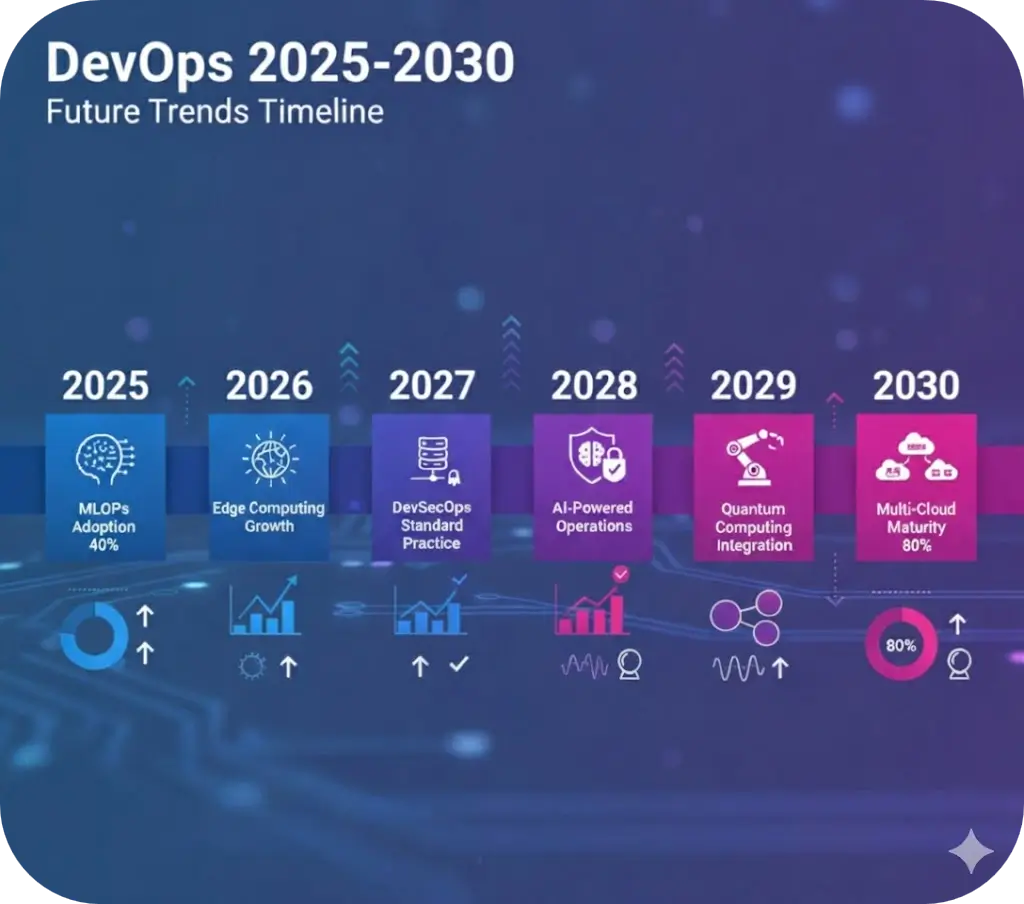
Increased AI and ML Integration in Operations
MLOps infrastructure requirements differ from traditional applications, requiring GPU management, data pipelines, and model deployment systems. AIOps uses artificial intelligence for predictive failure analysis, automated diagnosis, and intelligent alert correlation.
Expanding Role of Edge Computing and IoT Infrastructure
Edge computing moves processing closer to data sources for low-latency applications. Managing edge infrastructure presents unique challenges: deploying across thousands of distributed nodes, handling intermittent connectivity, and maintaining security across dispersed systems.
DevSecOps as a Standard Practice
Security integration throughout development lifecycles is becoming non-negotiable. This means automated security scanning in CI/CD pipelines, infrastructure as code security checks, container vulnerability scanning, and runtime security monitoring.
Continued Demand for Cloud and Platform Engineering Expertise
Cloud adoption continues accelerating. Platform engineering—building internal developer platforms—is gaining momentum. Multi-cloud and hybrid cloud strategies create complexity requiring specialized expertise. Serverless architecture continues maturing for appropriate workloads.
Conclusion:
Your Gateway to a High-Paying Remote DevOps Career
Remote DevOps jobs represent pathways to professional growth, financial security, and lifestyle flexibility. The compensation is real. The demand is genuine. The opportunities are waiting for prepared candidates.
Success requires more than technical skills. You need discipline to manage time without supervision, communication skills for cross-timezone collaboration, continuous learning to stay current, and resilience to handle production pressures.
Technical competence is table stakes. What separates great hires? They take ownership, communicate proactively, document their work, help teammates succeed, and stay calm during incidents.
Start where you are. Focus on fundamentals if you’re junior. Deepen expertise in specific technologies if mid-level. Develop leadership and architecture skills if senior.
Next Steps for Your Remote Job Search
Sign up to our FREE Remote Jobs Central newsletter to get the latest remote DevOps jobs listings from super cool companies directly in your inbox and also Subscribe to our YouTube channel for awesome videos with research backed insights and expert tips.
Have you ever applied for Remote DevOps Jobs online? If yes, please share your experience in the comments below—let’s build a community of remote DevOps professionals and support each other.
FAQ:
Are DevOps in high demand?
Yes, DevOps professionals are in exceptionally high demand. There are approximately 3.5 open positions for every qualified candidate, with companies across all sectors actively recruiting talent. Cloud migration initiatives and microservices adoption drive this sustained demand with no signs of slowing.
Is AI replacing DevOps?
No, AI is augmenting DevOps work, not replacing it. AI tools automate specific tasks like anomaly detection and log analysis, but require human expertise to implement and interpret. DevOps roles are actually expanding as engineers take on MLOps responsibilities for managing AI infrastructure.
Can DevOps be a remote job?
Absolutely, DevOps is exceptionally well-suited for remote work. Managing cloud infrastructure, automating deployments, and maintaining systems doesn’t require physical office presence at all. Many companies now hire DevOps engineers specifically for remote positions, with professionals reporting higher job satisfaction due to flexibility.
Is DevOps easier than coding?
DevOps and software development require different skill sets rather than one being easier. DevOps demands broad knowledge across Linux, networking, cloud platforms, and security, while developers go deeper into specific languages. Both paths require continuous learning and problem-solving, just applied differently.
What tech jobs pay $400,000 a year?
Principal engineers, engineering directors, and senior machine learning engineers at major tech companies reach $400K+ in total compensation. For DevOps specifically, principal-level Site Reliability Engineers at companies like Google, Amazon, or Netflix achieve this through combined base salary, equity, and bonuses. This tier typically requires 10+ years of experience and proven leadership.
What jobs make $3,000 a month without a degree?
Junior DevOps engineers, cloud support engineers, and system administrators can reach $3,000 monthly with self-taught skills. Focus on earning industry certifications like AWS Certified Solutions Architect, building personal projects, and contributing to open source.