Remote Product Management Jobs: 7 Proven Secrets to a Lucrative Career
Summary:
Remote product management jobs offer unprecedented freedom and competitive salaries for skilled product management professionals worldwide. This guide reveals proven strategies to find, secure, and excel in top-paying remote PM roles across industries. Master the skills, tactics, and negotiation techniques that separate successful remote PMs from the rest.
Key Takeaways:
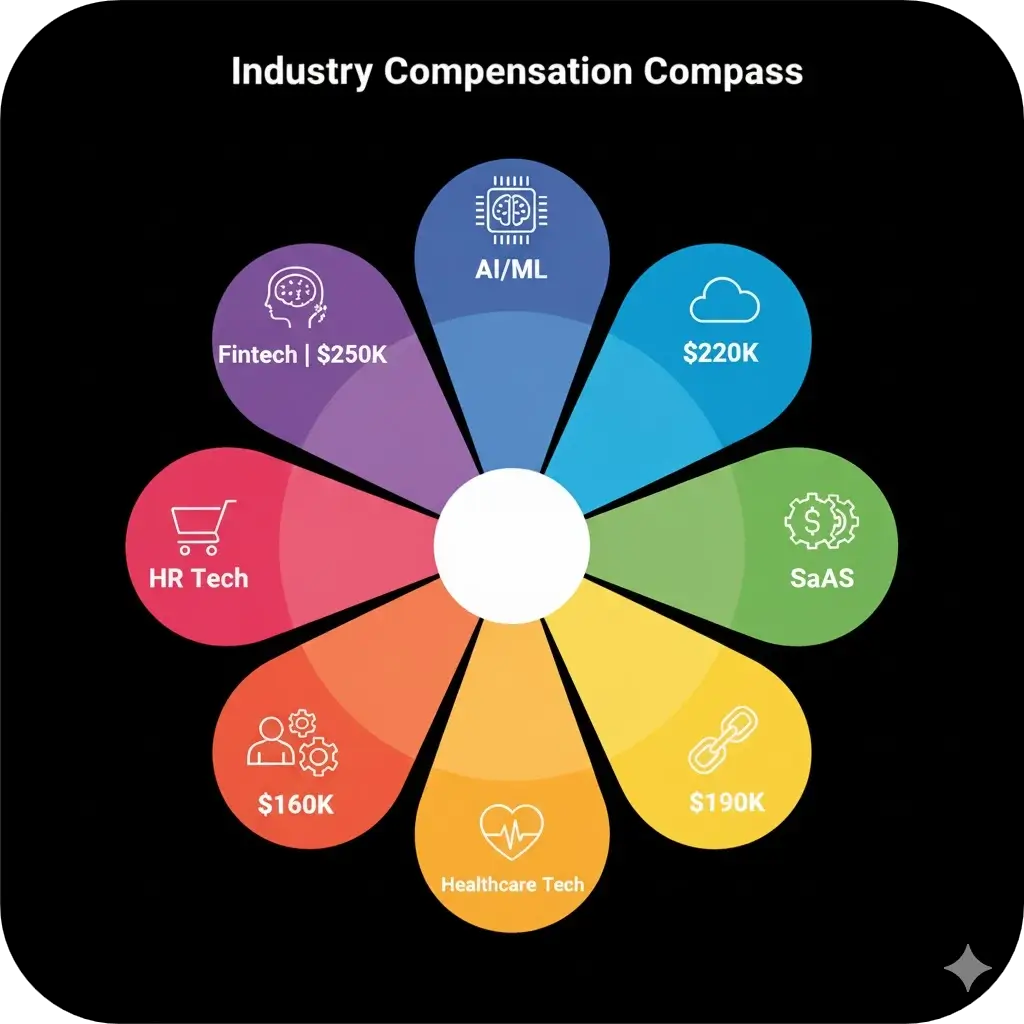
- Remote product management jobs in fintech, SaaS, and AI pay $120K-$250K+ depending on experience and specialization.
- Master remote-specific skills like asynchronous communication and virtual collaboration to out compete your competition.
- Build a portfolio showcasing measurable impact with metrics, case studies, and product roadmaps that demonstrate strategic thinking.
- Product manager remote jobs require tailored resumes highlighting distributed team leadership and self-management capabilities.
- Negotiate total compensation including equity, bonuses, and remote work stipends – not just base salary.
- Remote entry level product manager jobs exist but demand transferable skills from business analysis, project management, or engineering roles.
Introduction:
The Competitive Landscape of High-Paying Remote Product Management
Remote product management jobs require a completely different approach than traditional roles. Companies hiring remotely look for specific signals that you’ll thrive without supervision.
The remote revolution opened incredible opportunities. Many remote-first companies now hire remote PMs. Salaries rival or exceed office-based roles. Geography no longer limits your career.
The Evolution of Remote Product Management: Opportunities and Challenges
Few years ago, remote product manager jobs barely existed. Companies believed product discovery required whiteboards and conference rooms. Collaboration meant shoulder taps and hallway conversations.
COVID-19 forced a massive experiment. Companies went remote overnight. And something surprising happened – productivity increased. Tools like Miro, Figma, and Loom replaced physical spaces. Asynchronous communication became normal. The best talent could work from anywhere.
Today’s reality looks completely different. GitLab operates with 2,000+ remote workers across 65 countries. Automattic built WordPress with a fully distributed team. Coinbase offers remote roles paying $200K+ for senior product manager positions.
The shift created new challenges though. Time zones complicate meetings. Building relationships requires intentional effort. Self-management becomes critical. Companies that figured out remote-first principles now dominate. They hire better talent. They save office costs. They build products faster.
Who This Guide Is For:
You’ll get maximum value from this guide, if you’re:
A career changer asking how to become a product manager remotely without traditional PM experience. I’ll show you how to position transferable skills and build a compelling portfolio.
An existing PM seeking remote flexibility while maintaining or increasing compensation. You’ll learn negotiation tactics and how to find companies that pay market rates regardless of location.
A senior leader pursuing director of product management jobs, product director, or vice president of engineering roles remotely. You’ll discover how to demonstrate strategic thinking and leadership in virtual interviews.
Building Your Remote PM Foundation:
Skills, Experience & Strategic Portfolio Development
Landing top product manager remote jobs requires mastering two skill sets: core PM competencies plus remote-specific capabilities most candidates lack.
Core Product Management Skills for Remote Excellence
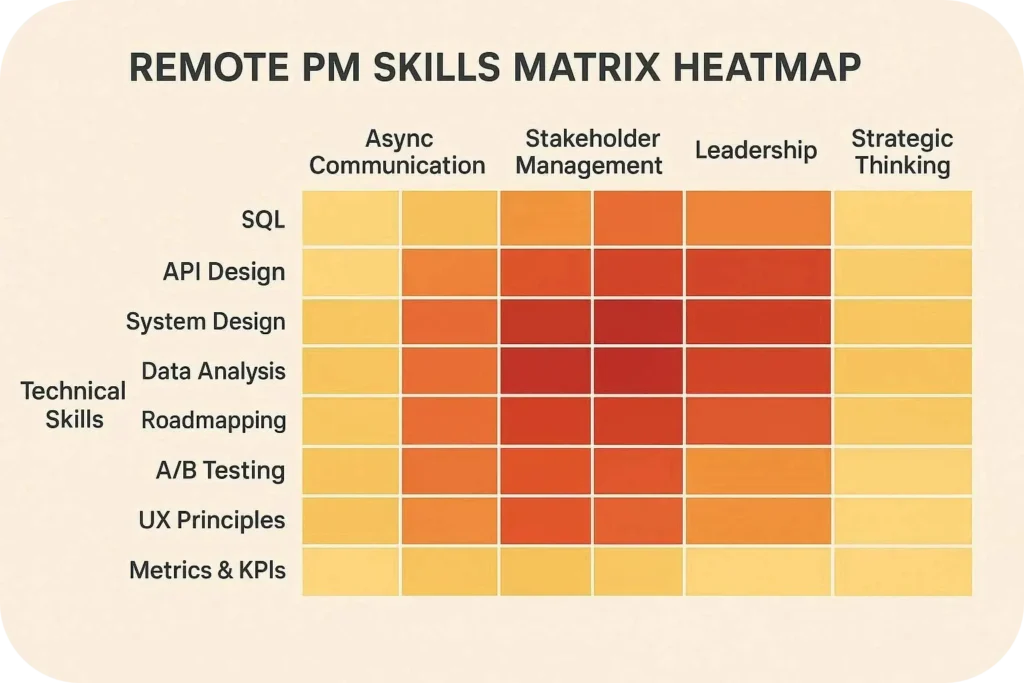
Every product manager needs fundamental skills. Here’s what actually matters.
Product strategy and lifecycle management means knowing where your product should go and why. You need to understand competitive analysis, market research, and business models. Understanding the product lifecycle is critical.
User research and customer insights separate average PMs from great ones. Learn to conduct interviews, analyze customer feedback, and identify customer needs. Tools like UserTesting make this possible remotely. Understanding customer behavior through analytics helps you build better products.
Data analysis and metrics guide every decision. Get comfortable with SQL and analytics dashboards using tools like Amplitude, Mixpanel, or Datadog. You should understand key performance indicators and measure outcomes obsessively. Data products and big data analytics skills command premium salaries.
Technical understanding doesn’t require coding experience but you must grasp how software works. Understand APIs, databases, system design, and architecture. Learn about cloud services like Azure, PaaS platforms, and on-prem solutions. This knowledge helps you evaluate system design trade-offs effectively.
Prioritization frameworks help you decide what to build. Learn RICE scoring, value vs. effort matrices, and opportunity scoring. Your product roadmap is your north star for building customer focused products.
Stakeholder management and customer engagement becomes critical as you advance. You’ll balance competing demands from executives, sales, customer support, and engineering. Managing customer engagement & experience across touch points is essential.
Developing Remote-Specific Competencies
Asynchronous communication might be your most important remote skill. You can’t tap someone’s shoulder for quick questions. Learn to write comprehensive updates that anticipate questions.
Written communication mastery becomes your superpower. You’ll write product specs, strategy memos, and decision documents. Practice clarity, conciseness, and persuasiveness.
Self-management separates successful remote PMs from struggling ones. Nobody watches you work. Create structure, manage your time, and deliver without supervision.
Virtual collaboration tools expertise is non-negotiable. Master Miro for brainstorming, and Notion for documentation. Learn workflows automation tools and reporting and analytics platforms. Understand authentication strategy for secure collaboration.
Time zone awareness matters when your team spans continents. Schedule meetings considerately, document decisions for those who can’t attend, and create overlap hours for collaboration.
Security and compliance knowledge matters for enterprise roles. Understand data privacy, compliance requirements, and secret detection for sensitive products. Companies in financial technology or HR tech especially value this.
Creating a Remote-Ready Product Portfolio
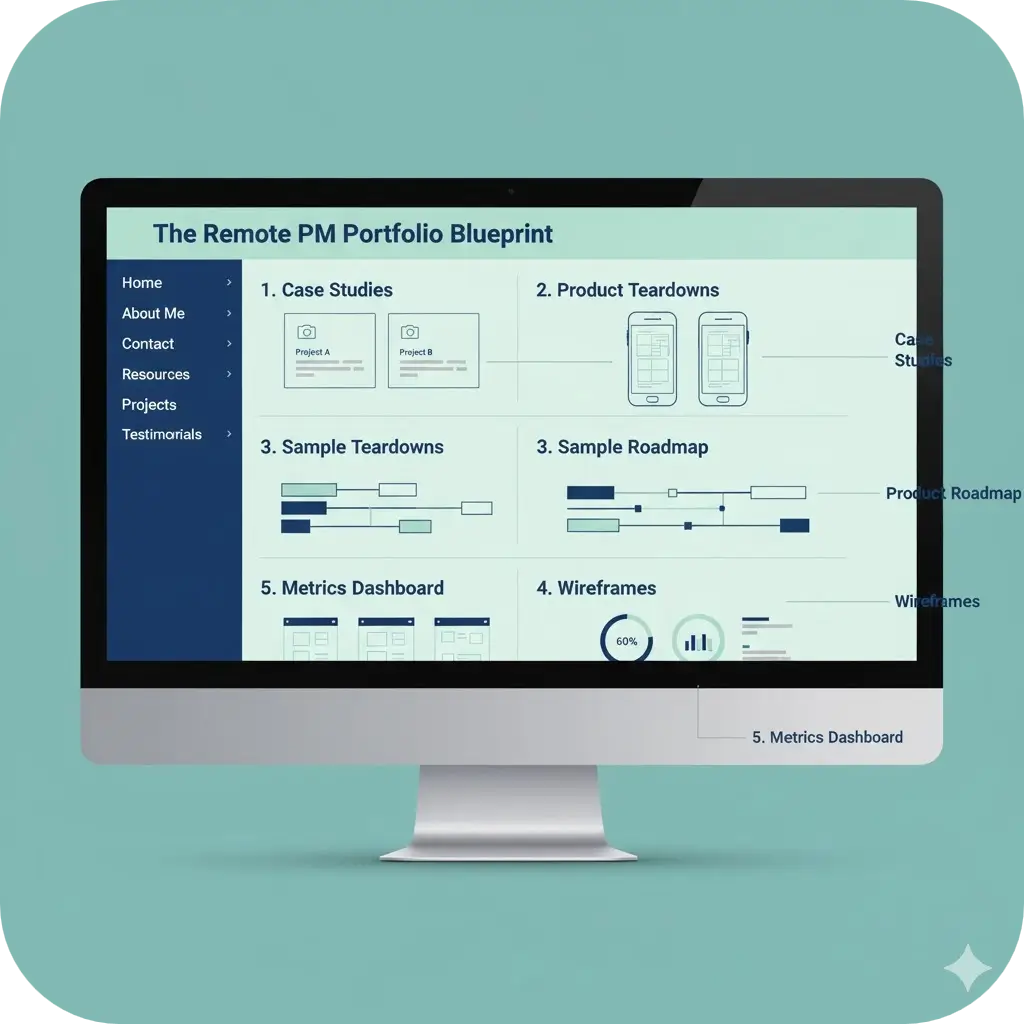
Your portfolio sells your capabilities when you can’t meet face-to-face.
Case studies showcasing impact form your portfolio’s core. Pick 2-3 projects where you drove measurable results. Use the STAR method: Situation, Task, Action, Result.
Include specific metrics. “Increased engagement” means nothing. “Increased daily active users by 34% over three months through personalized onboarding” tells a story. Show how you used customer insights and data analytics to drive decisions.
Product teardowns demonstrate thinking even without experience. Choose a product you use daily – maybe an AI-powered CRM, digital adoption platform, or B2B platform. Identify problems and propose solutions. Show user experience thinking, prioritization logic, and business value.
Technical projects stand out for specialized roles. If you’re targeting machine learning or artificial intelligence positions, showcase projects involving natural language processing or GenAI applications. Blockchain and Web3 projects attract attention from crypto companies.
Sample roadmaps and strategy documents reveal your planning abilities. Create a product roadmap for a hypothetical SaaS product or payments platform. Show how you balance short-term wins with long-term vision. Include considerations for e-commerce integration or cloud infrastructure if relevant.
Wireframes and prototypes prove you can move from idea to execution. Tools like Figma make basic prototyping accessible. API documentation or technical specs demonstrate depth for technical product manager roles. Create sample documentation using OpenAPI or Swagger specifications. Show you understand API design principles.
Optimizing Your Remote PM Job Search and Application Strategy:
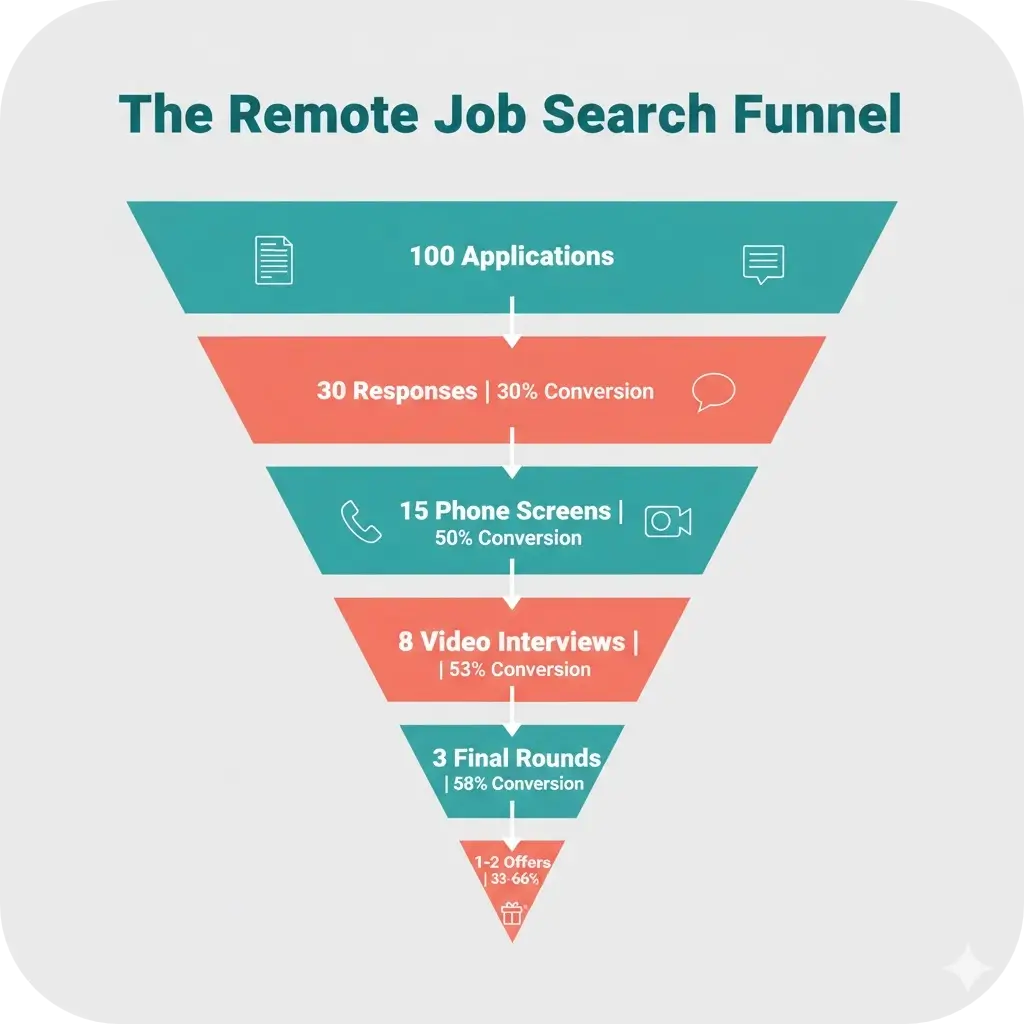
Finding remote product management jobs requires strategy, not volume.
We may be biased but signing up for FREE Remote Jobs Central Newsletter can be your BEST CHOICE (where we send you curated worldwide remote product management jobs). Of course, you don’t have to take our word for granted – Please see our reviews.
Crafting a Standout Remote-Optimized Resume and LinkedIn Profile
Your resume must scream “remote-ready” to hiring managers.
Front-load remote experience and specializations prominently. Mention if you’re a senior product manager, staff product manager, or principal product manager.
Industry-specific keywords matter enormously. If you’re targeting artificial intelligence roles, mention GenAI experience. For fintech, reference payments platform or financial technology work.
Quantify everything in your experience section. Replace “managed product roadmap” with “led product roadmap for 3 cloud features serving 50K users, increasing retention by 23% through customer insights analysis.”
Highlight technical capabilities for specialized roles. Mention data analytics, big data analytics, building analytics dashboards, or developing AI-powered CRM systems. Reference specific platforms like Azure, cloud services, or developer platform work.
Cross-functional leadership proves remote collaboration abilities. Mention how you worked with engineering, design, marketing, solution architects, and executives. Describe managing escalations and/or improving user experience metrics.
Feature relevant tools and methodologies throughout. List Jira, Figma, Miro, Amplitude for tracking, and collaboration software. Mention reporting and analytics platforms you’ve used. Show familiarity with OpenAPI, Swagger, or API documentation for technical roles.
Specialized role positioning helps you stand out. Position yourself as a technical product manager, product director, senior independent product manager, or solution architect depending on your target. Include relevant certifications if you have them.
Mastering the Remote Product Management Interview Process
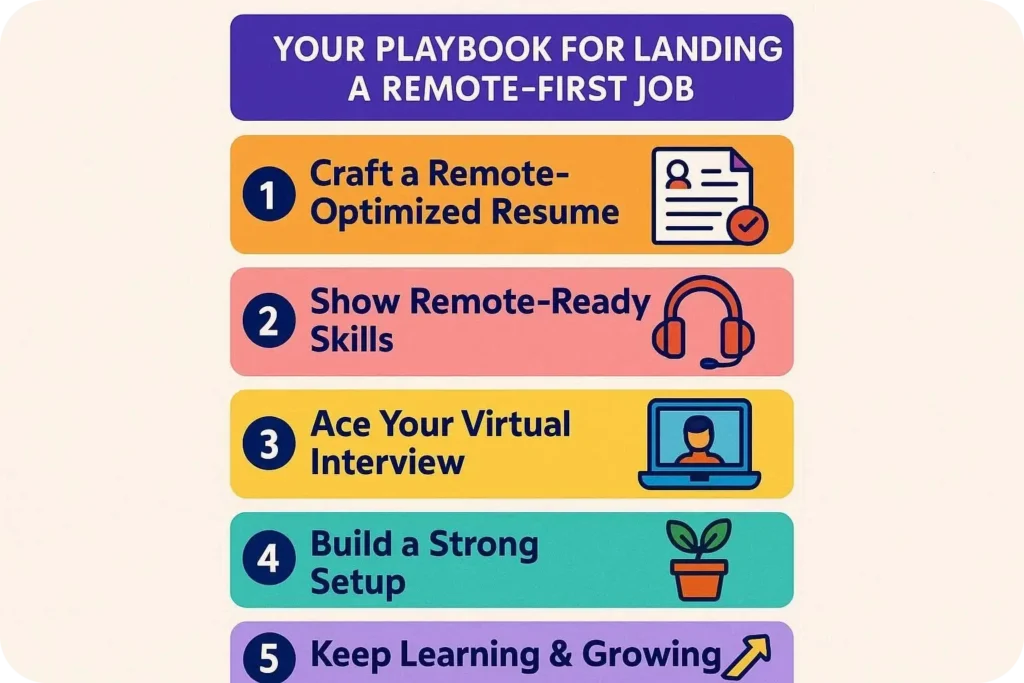
Remote interviews differ significantly from in-person ones.
Preparing for Diverse Remote Interview Formats
Phone screens typically come first. Recruiters assess basic qualifications and cultural fit in 30 minutes. Research the company deeply – understand their business model, whether they’re e-commerce, SaaS, payments platform, or other sector.
Video interviews with hiring managers dive into your experience. They’ll ask behavioral questions using the STAR method. Prepare 10-15 stories showcasing different skills. For senior product manager roles, expect deeper strategic questions.
Product case interviews test your thinking process. You might analyze a software product, propose features for an AI-powered system, or solve business money problems. Companies want to see structured thinking and solution assessment capabilities.
Technical assessments evaluate your ability to work with engineers. Expect questions about APIs, databases, system design trade-offs, and technical concepts. For machine learning PM roles, you might discuss model evaluation. Blockchain positions require crypto protocol understanding.
Domain-specific exercises depend on the role. Data products interviews might include SQL problems or data models review. Developer platform roles could involve API design. Financial technology positions test regulatory knowledge and compliance understanding.
Take-home assignments simulate real work. You might create a PRD (Product Requirements Document) for a growth platform, build a product roadmap for cloud services, analyze customer engagement & experience data, or design a B2B platform feature.
Excelling in Common Remote PM Interview Questions
Let me share a few common Remote Product Manager jobs questions recruiters/hiring managers ask you and what they’re looking for.
“Tell me about a time you had to say no to a stakeholder.” – They want diplomacy, data-driven thinking, and courage. Strong answers show you explained tradeoffs clearly and offered alternatives.
“How do you prioritize your product roadmap?” This tests whether you have frameworks. Mention RICE scoring or value vs. effort. Explain how you balance customer needs, business value, and technical constraints. Mention your expertise using product management software like ProductBoard or ProductPlan.
“Describe a product you launched that failed.” Everyone fails. Bad answers blame external factors. Great answers own the failure, explain lessons, and show how you applied them to subsequent product lifecycle stages.
“How would you improve [X product]?” This assesses product thinking. Start by asking clarifying questions about goals and users. Show structured thinking: identify problems using customer insights, prioritize, then propose solutions considering user experience.
“How do you work with distributed teams across time zones?” Talk about asynchronous communication, documentation practices, and respecting schedules. Share specific examples of working remotely and/or managing remote workers effectively.
“Tell me about your experience with [domain-specific topic].” For machine learning roles, discuss model deployment. For payments platform work, explain transaction flows. For HR tech, describe payroll integrations. For blockchain positions, explain consensus mechanisms.
“How do you gather and incorporate customer feedback?” Discuss your process for collecting customer insights, analyzing customer behavior, and translating findings into features. Mention tools you’ve used and how you’ve improved customer engagement & experience.
Demonstrating Remote Readiness and Cultural Fit

Here’s how to prove you’ll thrive remotely.
Show your home office setup when appropriate. Professional background, good lighting, and clear audio, signal you take remote work seriously.
Over-communicate your thinking during case interviews. Remote managers can’t read body language easily. Narrate your thought process as you work through problems.
Ask insightful questions about remote culture showing you’ve thought deeply about distributed work. Ask how they handle time zones, make decisions asynchronously, manage security for distributed teams, and build team connection.
Share specific examples of remote collaboration success. Talk about building relationships virtually, resolving conflicts over Slack, running effective workshops, or launching products with cross-functional teams, you’ve never met in person.
Demonstrate writing skills through your emails and follow-ups. Every written communication is a writing sample. Be clear, concise, and professional. Avoid making them dig through infinite scrolling to find your point.
For senior roles, prepare executive-level narratives. Product lead, product director, or vice president of engineering positions require discussing team building, strategic vision, and organizational impact.
Negotiating Your High-Paying Remote Product Management Offer:
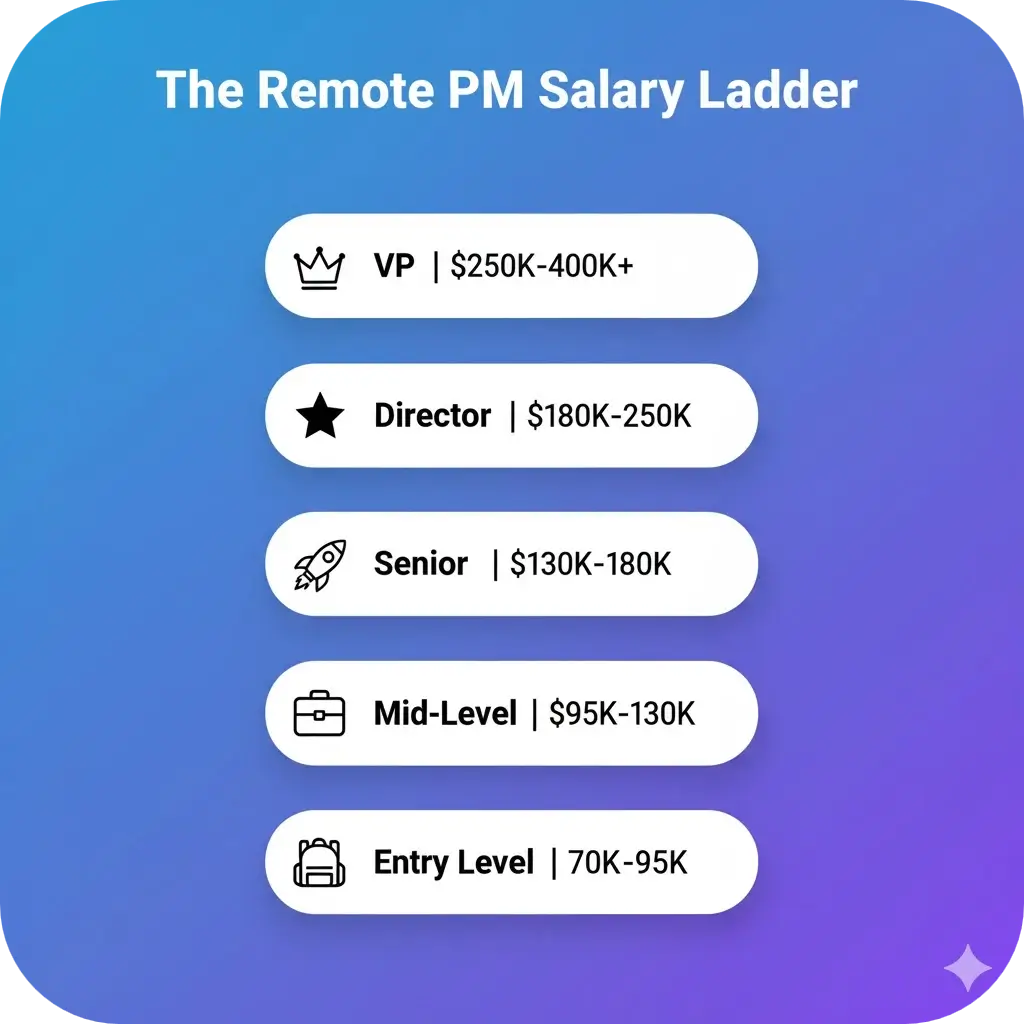
Benchmarking Remote Compensation Effectively
Salary data platforms provide market rates showing total compensation at tech companies for senior product manager, staff product manager, and principal product manager roles. Glassdoor and Payscale offer ranges by role and location.
Remote work impacts compensation differently across companies. Some remote companies even pay “market rate” regardless of location. Others adjust based on where you live.
Specialization premiums significantly impact pay. Machine learning PMs earn 15-25% more than generalist PMs. Blockchain and Web3 roles commanded huge premiums in recent years. Artificial intelligence and GenAI specialists are in high demand now.
Total compensation matters more than base salary. Consider base, equity, bonuses, benefits, and perks.
Strategic Negotiation for Remote Roles
Most people leave $20K-$50K on the table by accepting first offers. Always negotiate unless you’re desperate. Companies expect it and often budget for negotiation. The worst they can say is no.
Wait for the written offer before discussing numbers. Once you have a formal offer, you have leverage.
Anchor high but reasonably when they ask expectations. Research the market range and aim for the 75th percentile. For senior product manager roles in financial technology, that might be $160K-$190K. For principal product manager at GAFAM companies, think $250K+ total comp.
Negotiate multiple components rather than just base salary. If they can’t move on salary, ask for signing bonuses, more equity, additional vacation, remote work stipends for equipment, or professional development budget for courses.
Use competing offers as leverage carefully. If you have other offers, mention them without being aggressive. Justify requests with data and accomplishments.
Consider equity carefully for startups. Understand vesting schedules, valuations, and exit scenarios. A principal product manager role at a Series B startup might offer significant upside.
Evaluating the Total Compensation Package
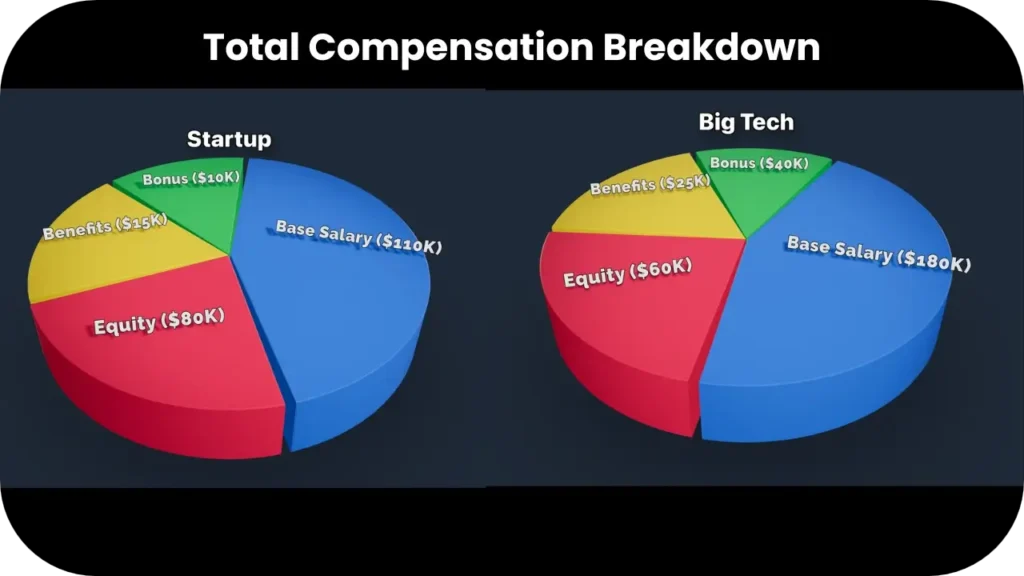
Base salary matters most for immediate needs. This is guaranteed money. Aim for best market rate based on your specialization.
Equity compensation offers upside but comes with risk. Understand whether you’re getting stock options or RSU (Restricted Stock Units)s. Ask about company valuation, funding stage, and exit potential. Some companies offer 1-on-1 expert support to help you understand equity.
Benefits and perks add real value. Health insurance, 401(k) matching, professional development budgets, and remote work stipends all count.
Remote work stipends cover home office equipment, internet, and co working spaces. Some companies offer $1K-$3K annually for these expenses. Ensure security equipment for handling sensitive data is covered.
Learning budgets help you grow. The best companies provide $2K-$5K annually for courses, conferences, and coaching. This helps you stay current with GenAI, new cloud services, or compliance requirements.
Thriving in Your New High-Paying Remote PM Role:
Landing the offer is just the beginning. Success requires intentional effort.
Mastering Remote On boarding and Integration
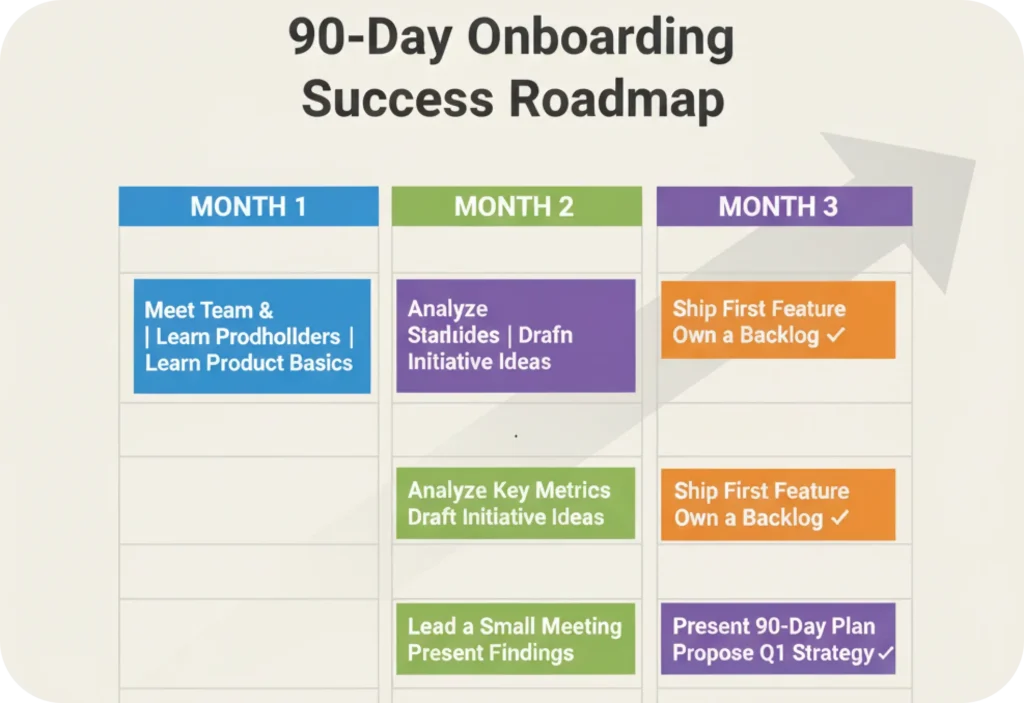
First week: observe and learn rather than proving yourself immediately. Understand team dynamics, products, workflows, and processes. Take notes on everything from authentication strategy to how decisions get made.
Schedule one-on-ones with every team member. Learn their roles, challenges, and communication preferences. If you’re a product director, meet with solution architects, engineering leads, and customer support managers.
Understand the technical architecture early. Review system design documents, API documentation, data models, and infrastructure. For cloud products, understand the Azure, PaaS, or on-prem solutions mix.
Learn the customer deeply. Review customer insights reports, analytics dashboards, customer feedback systems, and support tickets. Understand customer behavior patterns and customer engagement & experience metrics.
Ask questions frequently without apologizing. New hires get a grace period. Use it to understand why things work the way they do. Ask about regulatory requirements, compliance needs, or data privacy policies.
Find quick wins demonstrating value early. Look for small improvements you can ship in your first 60 days. Maybe it’s fixing a user experience pain point, optimizing a workflow, or improving an analytics dashboard.
Sustaining High Performance and Productivity as a Remote PM
Create structure through consistent routines. Review priorities by blocking focus time, and checking in with my team asynchronously. Allocate time for deep thinking about product strategy and business value creation.
Protect deep work time ruthlessly. Block 2-3 hour chunks for strategy work, writing specs, analyzing data models, or solution assessment. Treat these blocks as sacred.
Over-communicate your work to stay visible. Share weekly updates, document decisions publicly in Notion or Confluence, and make contributions obvious. For staff product manager or principal product manager roles, this visibility is critical for promotion.
Maintain work-life boundaries or you’ll burn out. Create a dedicated workspace. Set clear working hours. Don’t check email at 10 PM unless truly urgent.
Build async-first habits that respect time zones. Record Loom videos instead of scheduling meetings. Write comprehensive specs answering obvious questions. Make decisions visible in shared documents.
Invest in relationships despite distance. Schedule virtual coffee chats. Celebrate team wins publicly. Remember small details about teammates’ lives. Strong team relationships improve customer engagement & experience outcomes too.
Stay current with your domain. For machine learning PMs, follow AI research. For blockchain roles, track Web3 developments. For financial technology, monitor regulatory changes. For data products, explore new big data analytics tools.
Continuous Growth and Career Progression Remotely
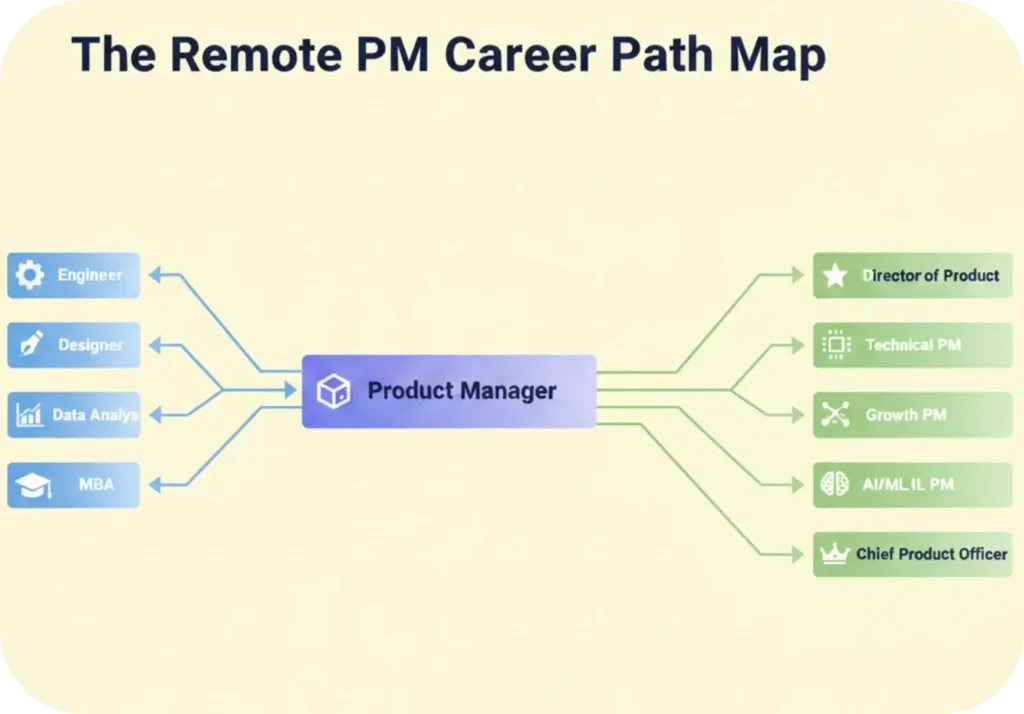
Seek feedback actively since remote managers might not offer it unsolicited. Ask for specific input on your work. Request quarterly reviews beyond annual processes.
Build a learning routine that keeps skills fresh. Dedicate a few hours on Fridays to learning new tools, reading industry content, and experimenting with ideas. Take courses regularly to improve your domain knowledge.
Share your work publicly through blog posts, conference talks, or Twitter threads. Writing about system design trade-offs, customer insights frameworks, or product lifecycle management builds your reputation.
Mentor others as you grow. Teaching forces you to clarify thinking. It also builds your reputation as a leader, which matters for product director or vice president of product promotions.
Track your wins meticulously. Document how you improved customer engagement & experience, increased business value, shipped AI-powered systems, or managed regulatory requirements. This helps during performance reviews and when seeking new roles.
Network beyond your company to see opportunities before they’re posted. Stay active in product communities. Maintain relationships with former colleagues who share the same vibe like you.
Conclusion:
Your Ultimate Path to Remote PM Success
Remote product management jobs offer life-changing opportunities for those willing to master distributed work demands. The path forward is clear: build the right skills, create a compelling portfolio, target your search strategically, and negotiate confidently. Most importantly, develop remote-specific competencies that separate successful remote PMs from those who struggle.
Whether you’re targeting entry level product manager jobs, senior product manager roles, or principal product manager positions, the fundamentals remain the same. Master both core PM skills and remote-first capabilities. Build a portfolio showcasing measurable impact using customer insights and data analytics. Target companies that value remote work.
Start by assessing your current skills against requirements I outlined. Identify gaps and fill them through side projects, courses. Build your portfolio showcasing how you’ve improved user experience, increased business value, or managed complex product lifecycle challenges.
Landing your first remote PM role is always the hardest. After that, opportunities multiply as companies see you’ve proven yourself remotely. The remote workers community is supportive and well-connected.
Ready to take the next step? Want exclusive access to the best remote product management jobs, including opportunities with many super cool companies that you may have never heard of (but YOU SHOULD)? Then, Sign up to our FREE Remote Jobs Central newsletter to get the latest remote job listings directly in your inbox and also Subscribe to our YouTube channel for awesome videos with research backed insights and expert tips.
What’s the biggest challenge you face in your Remote Product Management Jobs search? Have you ever applied for one online? Share your experience in the comments below – let’s build a community of remote product management professionals and support each other.
FAQ:
Can I work remotely as a product manager?
Yes, working remotely as a product manager is absolutely possible and increasingly common. Over 60% of product management positions now offer remote options, with many companies operating as fully distributed teams. Companies across different sectors hire remote workers regularly. Success requires strong product management domain knowledge, written communication skills, self-management abilities, and comfort with asynchronous collaboration tools.
How to make $2000 a week working from home?
Making $2000 weekly ($104K annually) working from home as a product manager is achievable with 2-3 years of experience. Targeting mid-level PM roles at SaaS companies, payments platform firms, or B2B platforms. Senior product manager and staff product manager positions can earn $3000-$5000 weekly. Specialized roles in machine learning, artificial intelligence, blockchain, or data analytics command even higher rates.
How much do remote Product Managers make?
Remote product managers typically earn $100K-$180K annually depending on experience and industry. Entry level product manager jobs start at $70K-$95K. Senior product manager roles reach $150K-$220K. Staff product manager and principal product manager positions earn $180K-$280K. Product director and vice president of engineering roles exceed $250K-$400K. Specialized positions in artificial intelligence, machine learning, blockchain, financial technology, or data products command 15-30% premiums. Total compensation including equity at companies like GAFAM firms can push figures 40-60% higher.
Can a beginner get a remote PM job?
Yes, beginners can secure entry level remote product manager jobs positions, though competition is intense. Focus on companies explicitly hiring associate or junior product manager roles. Highlight transferable skills from business analysis, project management, solution architect, product designer, or engineering backgrounds. Build a portfolio with side projects demonstrating product lifecycle understanding, customer insights analysis, and user experience thinking. Consider remote product management internship programs or contract work through platforms to gain initial experience.