Quality Assurance Remote Jobs: 9 Proven Strategies to Land Global Opportunities

Summary:
Quality assurance remote jobs are transforming how professionals build careers in software testing. This guide reveals proven strategies to secure remote QA positions worldwide, covering essential skills, job search tactics, and insider tips to help you thrive in the global remote quality assurance market.
Key Takeaways:
- Quality assurance remote jobs offer flexibility, competitive salaries (~$60,000-$150,000+), and access to global companies across fintech, healthcare, and e-commerce sectors.
- Remote QA engineers and QA automation engineers are in-demand positions with 60% growth in job postings since 2020.
- Technical proficiency in Selenium, Appium, Postman API testing, and CI/CD pipelines positions you ahead of 70% of applicants.
- Remote manual tester jobs and QA analyst remote jobs serve as excellent entry points requiring 1-3 years of experience.
- Companies hiring fully remote QA jobs span EdTech platforms, SaaS products, and AI-powered systems globally.
- Mastering Agile testing methodologies and test automation frameworks increases market value by 40-60%.
- Building a GitHub portfolio with test case documentation demonstrates real-world expertise.
- Remote QA jobs worldwide eliminate geographic barriers, letting you work for companies in any time zone
Introduction:
The Booming World of Remote QA
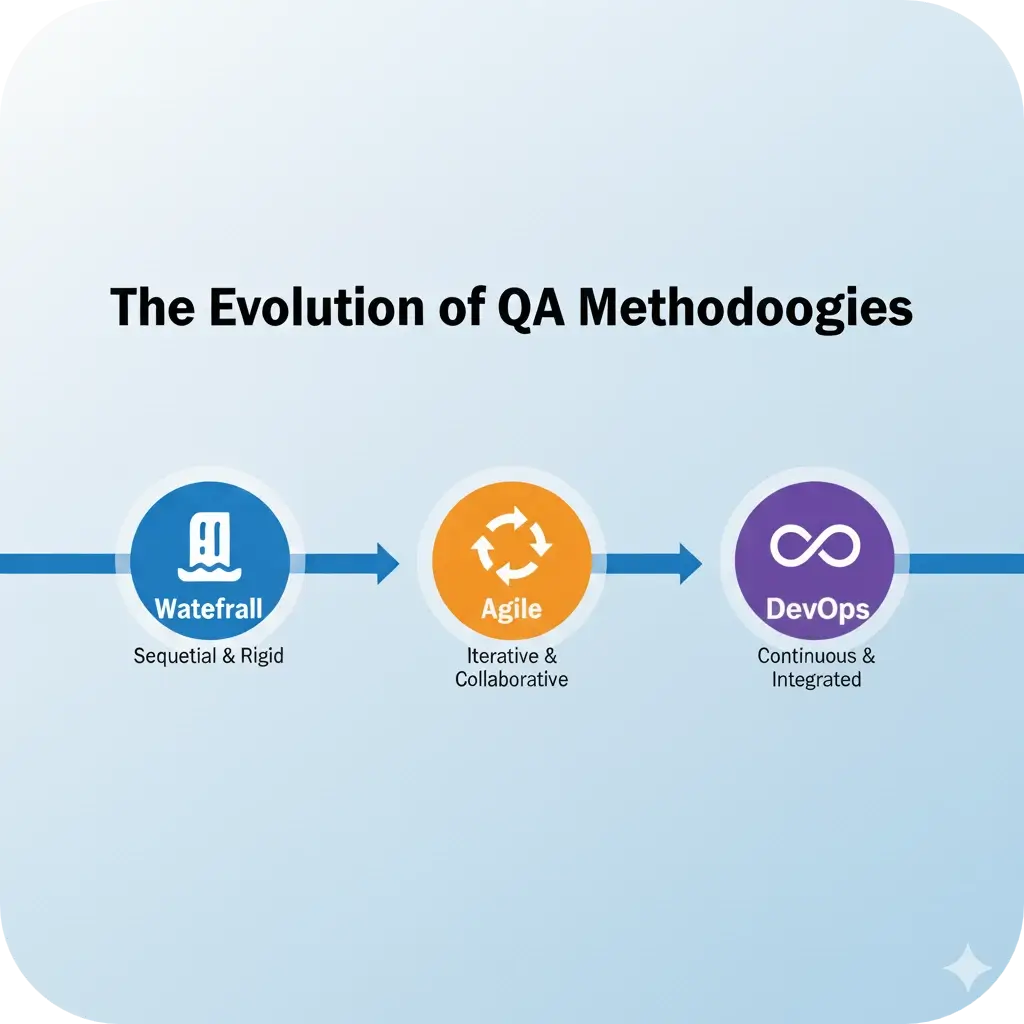
Quality assurance remote jobs field is exploding, with many remote-first companies actively seeking remote software quality and QA professionals.
The global remote jobs market saw the rise in remote work since the pandemic and its impact on productivity as per Bureau of Labor Statistics data. For QA testing remote jobs, that growth is even steeper. Companies discovered remote QA jobs deliver better results because you’re hiring talent based on skills, not ZIP codes, because awesome talent can come from ANYWHERE. 🌏
Breaking into this field requires understanding the landscape, mastering the right tools, and positioning yourself strategically. This guide will help you land a job in remote quality assurance with expert support from the remote work community.
Understanding the Remote QA Landscape:
Defining Remote Quality Assurance
Remote quality assurance professionals validate functionality, identify bugs, verify security protocols, and confirm applications perform as intended. They create test plans, execute test cases, document defect logs, and collaborate with development teams – all remotely using cloud-based workflow tools.
Remote QA testing jobs differ because you need stronger documentation skills, must master virtual collaboration tools like Jira and Slack, and require self-discipline without direct supervision. Understanding the Software Development Life Cycle (SDLC) is critical for success in Agile environments.
The Advantages of a Remote QA Career
Flexibility means designing your work week around peak productivity hours. Most remote QA jobs offer schedule autonomy with benefits like paid time off and equity compensation, which is becoming a standard in full-time remote job positions.
Opportunity expands when you’re not limited by geography. You’re accessing a vast pool of remote quality assurance jobs globally at many remote-first companies across varied sectors.
Quality of life improves dramatically. No commute saves 10+ hours weekly, reducing stress and increasing mental health. You choose where to live based on preference. Many remote QA engineer roles pay competitive salaries based on skill level. A senior QA engineer remote position might offer $100,000-$150,000 annually with 401(k) benefits, regardless of their physical location.
Why Companies Embrace Remote QA Talent
Access to specialized skills: Companies need QA professionals experienced in specific domains – whether testing Apple hardware, iPhone/iOS applications, pharmacy claims systems, or hyper scale data center infrastructure. Of course, exceptional talent is not limited to a certain geography.
Cost efficiency: Office overhead disappears with remote teams. Companies reinvest savings into better salaries and tools.
24/7 testing cycles: Distributed teams across time zones enable continuous testing, critical for companies using Configuration Systems and CI/CD pipelines.
Better retention: Remote workers report higher satisfaction in the remote workplace. Companies keep talented QA engineers longer.
Core Remote QA Roles and Responsibilities:
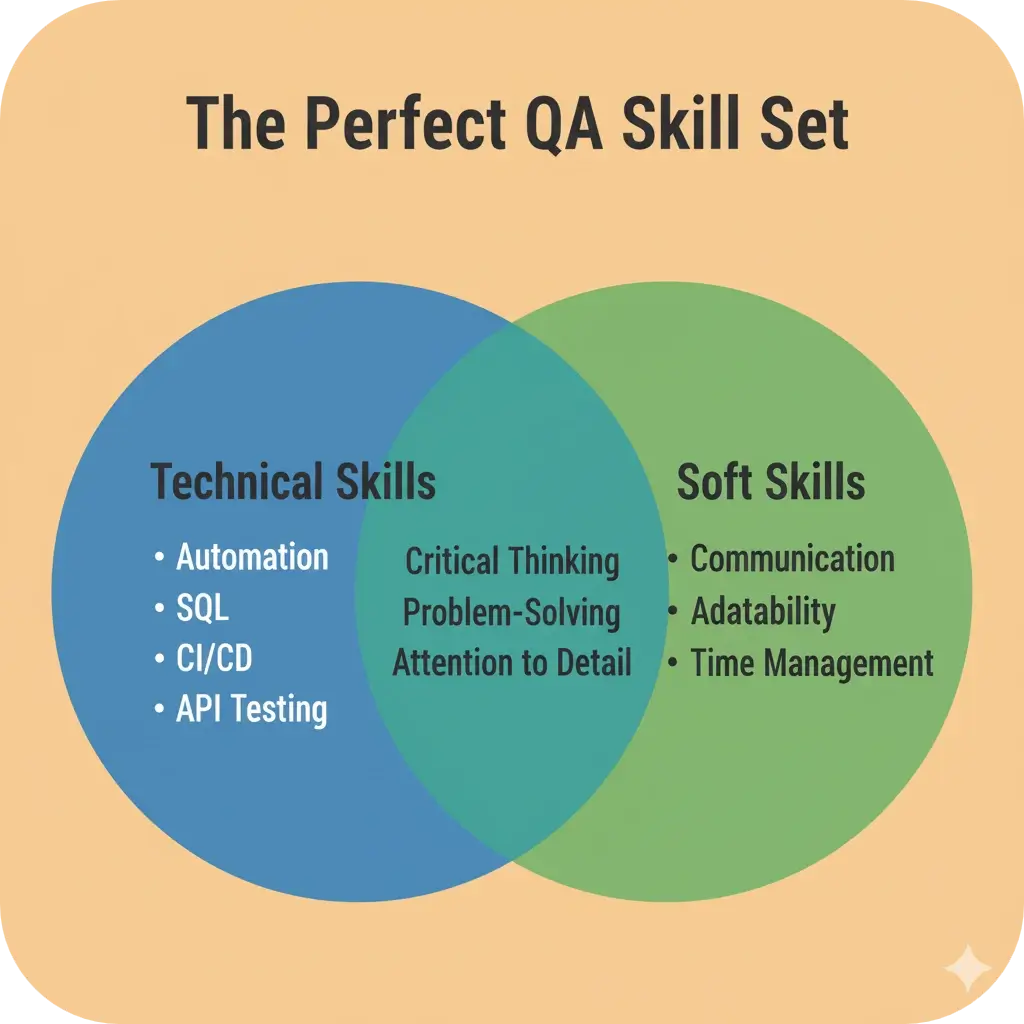
Quality Assurance Analyst (QA Analyst)
QA analyst remote jobs focus on identifying bugs, verifying requirements, and ensuring quality standards. Daily tasks include executing manual test cases, documenting defect logs, performing regression testing, validating features, and supporting root cause analysis.
Remote QA analyst positions require 1-3 years of experience and understanding of core QA methodologies. You’ll work with test methodology frameworks and maintain test database integrity. Salaries range from ~$50,000-$80,000 for quality analyst remote jobs.
Quality Assurance Engineer (QA Engineer)
QA engineer remote jobs involve designing QA strategy, building test frameworks, and handling automation. You’ll write automated scripts, set up test environments, perform API testing with tools like Postman, and integrate tests into CI/CD pipelines. Understanding software engineering principles helps tremendously.
Software QA engineer remote jobs pay ~$70,000-$110,000 annually. Senior positions like Sr. Staff Software Engineer in QA reach ~$120,000-$150,000+. Companies value engineers who understand Agile methodologies and Six Sigma principles.
QA Automation Engineer
QA automation engineer remote roles focus on creating automated test suites. You’ll write test scripts in Selenium, build frameworks, maintain test suites, and integrate with build systems. Knowledge of AI-powered automation tools is increasingly valuable.
QA automation remote jobs command ~$85,000-$130,000, with experienced engineers even earning $140,000+.
Specialized Remote QA Roles
SDET (Software Development Engineering): Remote SDET jobs pay ~$100,000-$160,000 for production-quality code and testing tools.
QA Manager & Sr. QA Director: Leadership positions paying $110,000-$150,000+ for overseeing distributed QA teams, managing project management responsibilities, and ensuring quality standards across organizations.
Network Quality Assurance Engineer: Specializing in network infrastructure testing, crucial for telecommunications and data center operations.
Senior Quality Assurance Nurse Manager: Healthcare-specific role combining clinical operations knowledge with QA expertise, paying ~$85,000-$120,000.
Content Quality Assurance: Roles at ed-tech companies focus on educational content validation.
Security Specialist: Critical for fintech platforms, commanding $95,000-$140,000 with focus on user experience and security.
Performance Engineer: Remote test engineer roles pay ~$80,000-$125,000.
Essential Skills for the Modern QA Professional:
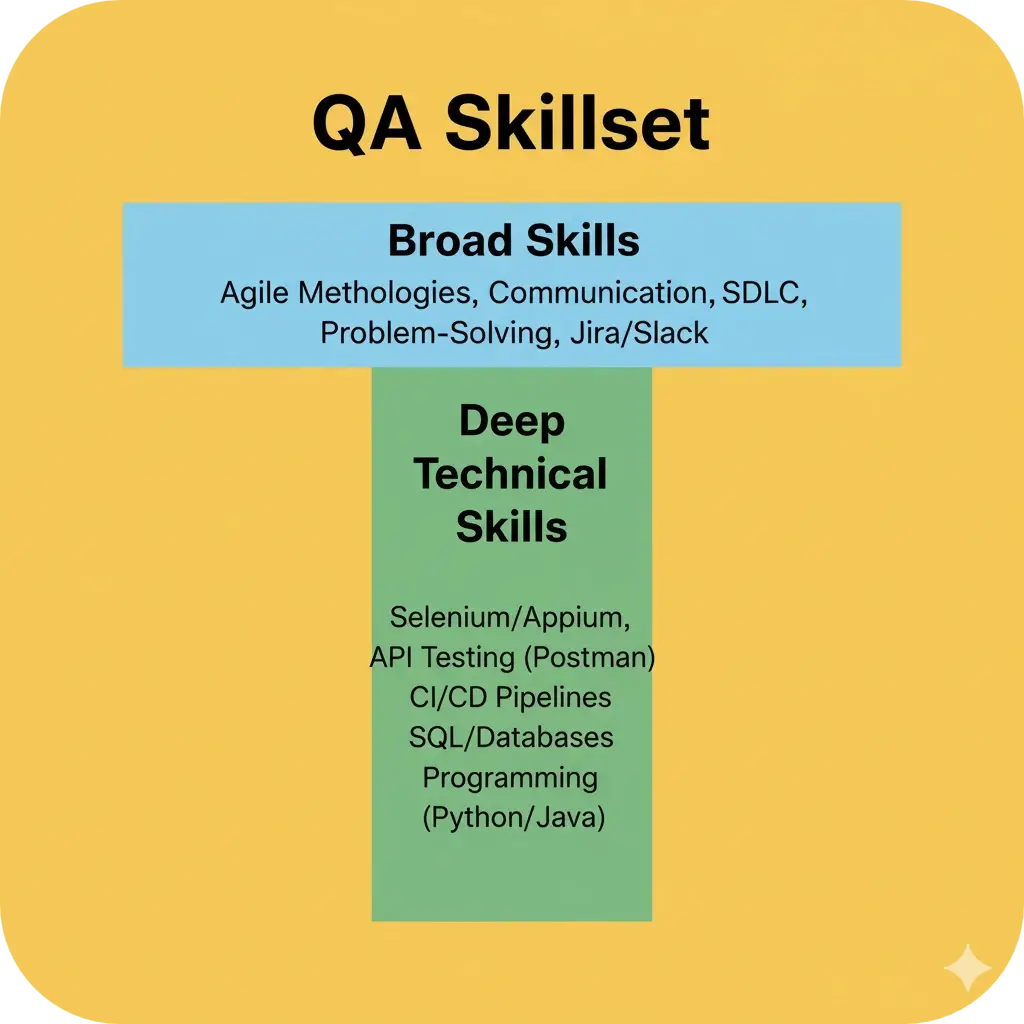
Technical Expertise
Testing fundamentals: Master functional testing, regression testing, integration testing, and end-to-end testing across the SDLC.
Test automation: Learn Selenium for web testing, Appium for mobile testing, and understand AI-powered automation tools that enhance testing efficiency.
Programming: Understanding Python, Java, and JavaScript enables writing test scripts and querying databases like Oracle.
API testing tools: Master Postman for manual testing, then progress to automation. Understanding API testing is essential for modern applications.
CI/CD pipelines: Know Jenkins, GitLab CI, or GitHub Actions for continuous integration.
Database Management Systems: Learn SQL for querying test database and Oracle for enterprise applications.
Version control: Git is mandatory for remote QA automation engineer roles.
Crucial Soft Skills
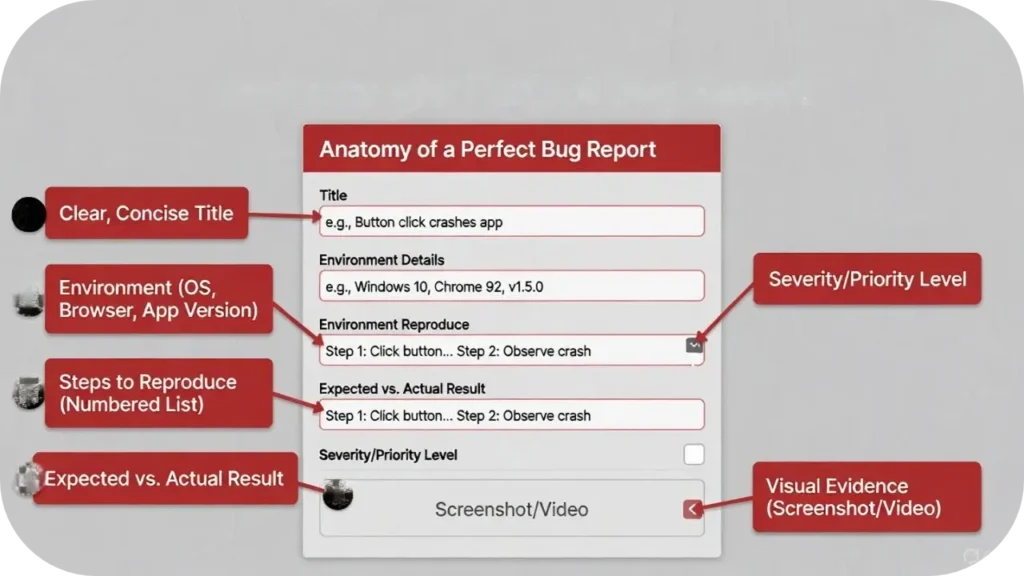
Communication: Write clear bug reports with reproduction steps, expected vs actual results, screenshots, environment details, and severity. Strong written communication is essential when collaborating with remote software developers and customer support teams.
Self-management: Set daily goals, create deep work blocks, and use time-blocking techniques. Remote-first Companies expect high productivity in remote settings.
Collaboration: Join video calls with camera on, engage in chat platforms actively, and respond promptly. Understanding Agile environments and participating in sprint ceremonies is essential.
Problem-solving: Conduct thorough root cause analysis, troubleshoot independently, and escalate appropriately. This is critical whether you’re testing connected devices, investment casting software, or clinical project management systems.
Adaptability: Embrace change as roles evolve. Stay current with Artificial Intelligence trends in testing and new quality tools.
Navigating the Global Remote QA Job Market:

Strategies for Finding Top Openings
We may be biased but signing up for FREE Remote Jobs Central Newsletter can be your BEST CHOICE (where we send you curated worldwide remote QA jobs). Of course, you don’t have to take our word for granted – Please see our reviews.
LinkedIn optimization: Update your headline to include “Remote QA Engineer” and showcase skill assessments completion.
Networking: Join Slack workspaces and LinkedIn groups focused on remote quality assurance. Engage with the remote work community for insider tips.
GitHub profile: Create repositories with automation frameworks and test cases demonstrating your software engineering abilities.
Application strategy: Tailor each application. Complete skill assessments when required. Craft your response to highlight relevant experience and mention their specific technologies.
Regional Considerations & Industries
United States: Remote QA engineer salaries range ~$80,000-$150,000+. Industries span from SEO testing to field service diagnostics.
Healthcare & Clinical: Clinical companies offer clinical data management, clinical operations, and patient centric services with QA roles paying ~$75,000-$120,000.
Technology: SaaS companies need remote software developers and QA engineers testing everything from Audio Generation to Graphics Foundations technologies.
Finance & Legal: Contract management systems, client services platforms, and CRM tools need dedicated QA professionals.
Entertainment & Media: Gaming companies hire for roles like game testing remote jobs.
EdTech: Companies in this space actively hire for content quality assurance roles.
Marketing: Marketing Operations Coordinator positions often include QA responsibilities for marketing automation tools.
Your Roadmap to Landing a Remote QA Job:
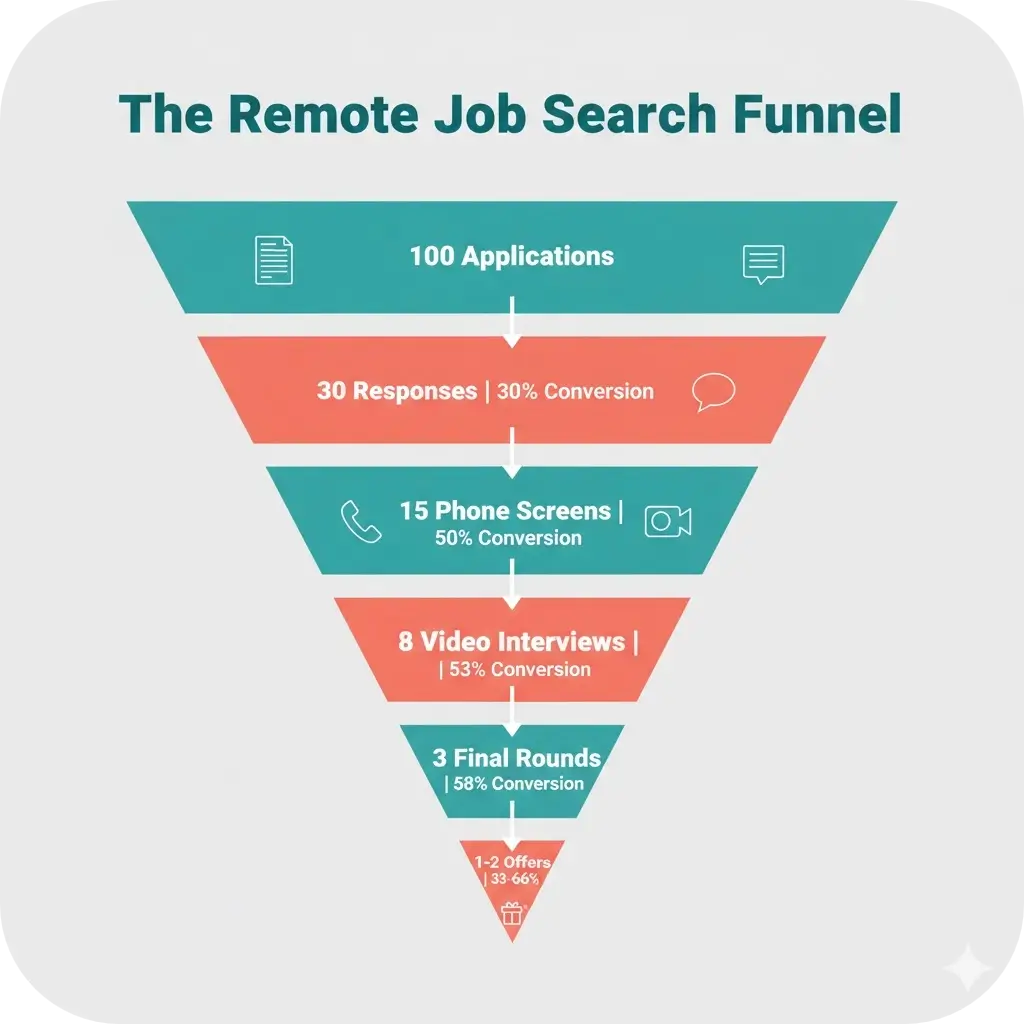
Crafting a Standout Resume
Front-load expertise: “Remote QA Automation Engineer with 4 years building test frameworks in Agile environments. Proficient in Selenium, Python, CI/CD. Expert in SDLC and software engineering best practices.”
Highlight remote skills: “Jira, Git, Slack, Zoom. Proven self-manager across time zones with expert support for distributed teams.”
Quantify achievements: “Reduced bug escape rate by 35% through automated regression suite. Conducted root cause analysis on 200+ defects improving quality standards significantly.”
Technical skills:
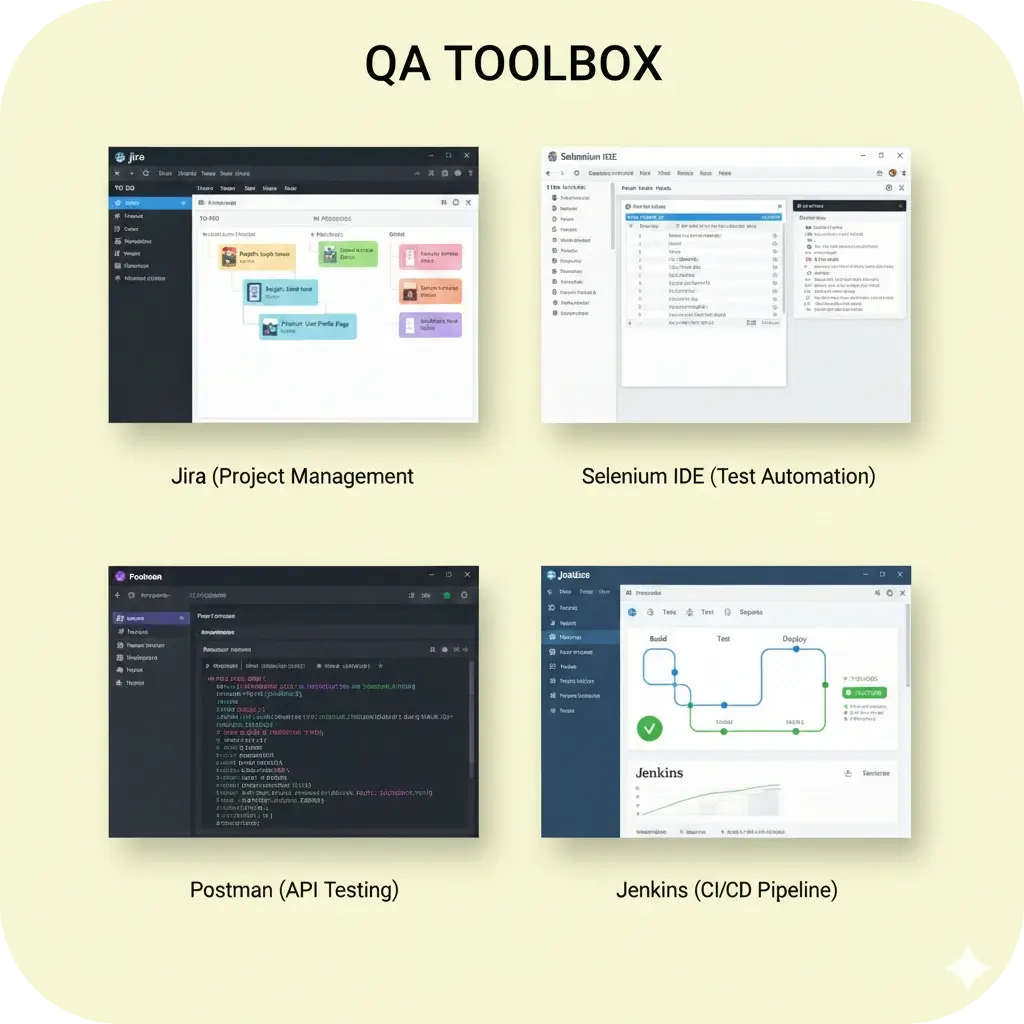
- Testing Tools: Selenium, Appium, Postman, API testing tools
- Programming: Python, Java, LINQ
- Databases: SQL, Oracle, Database Management Systems
- CI/CD: Jenkins, GitLab CI
- Methodologies: Agile, Scrum, Six Sigma
Certifications: ISTQB & Certified Agile Tester prove skill investment.
Effective Application Strategies
Apply early: Companies review within 48-72 hours. Complete any skill assessments promptly.
Tailor everything: Research company profile and customize your response. Reference their specific tools or technologies.
Follow up: Wait one week, then send polite follow-up demonstrating continued interest in their position.
Benefits inquiry: Ask about paid time off, equity compensation, and 401(k) matching during appropriate interview stages.
Acing Interviews
Screening call: Prepare two-minute overview highlighting experience with relevant methodologies and tools.
Technical assessment: Practice on coding platforms. Be ready to discuss test methodology, SDLC phases, and QA strategy.
Technical interview questions:
- “Walk through testing a new feature in Agile environments“
- “How do you conduct root cause analysis on complex bugs?“
- “Describe your approach to API testing automation“
- “Explain your experience with Database Management Systems“
Behavioral questions:
- “How do you ensure quality standards without direct supervision?“
- “Describe managing workweek priorities across time zones“
- “How do you contribute to remote work community culture?“
Setup: Test internet, camera, microphone. Use professional background showing your dedicated remote workplace.
Thriving in a Remote QA Environment:
Setting Up Your Workspace
Dedicated space: Create specific work area optimized for deep work blocks.
Ergonomic setup: Quality chair, monitor at eye level, external keyboard. Essential for testing connected devices and conducting lengthy testing sessions.
Reliable internet: A minimum of 50 Mbps download, 10 Mbps upload minimum for accessing cloud-based workflow tools.
Quality equipment: 1080p webcam, good microphone, adequate lighting for video calls and chat interactions.
Testing devices: Depending on specialization, you may need Apple hardware, iPhone/iOS & Android devices, or other specific equipment.
Managing Productivity
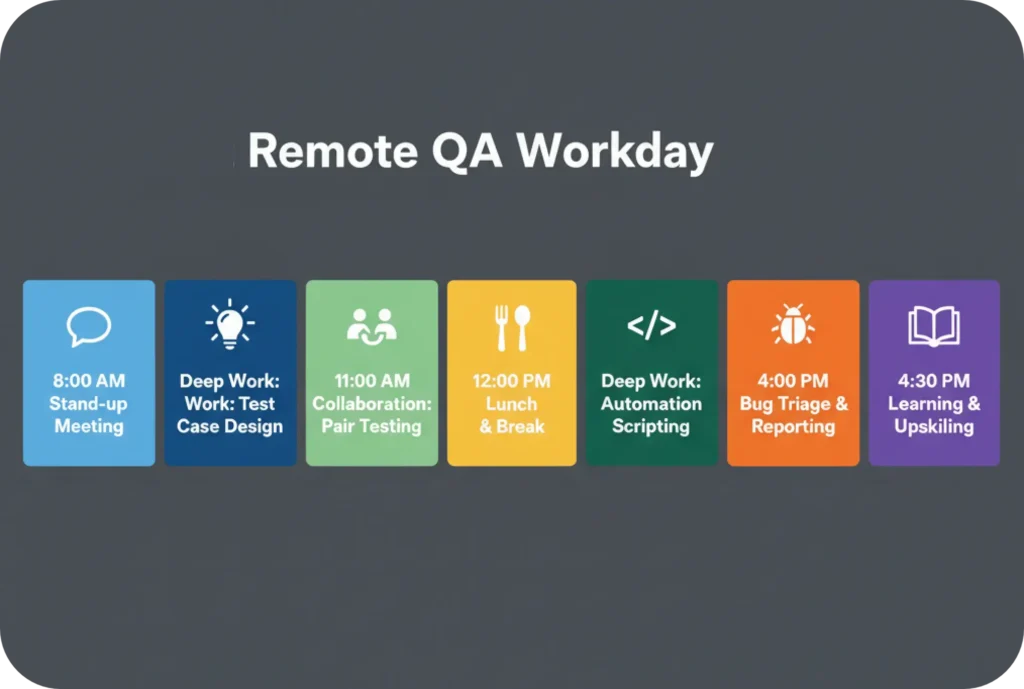
Consistent hours: Maintain regular start and end times following your workweek structure.
Time blocking: Create deep work blocks for complex automation development. Schedule interruption-free periods.
Prioritization:
- Critical production bugs affecting customer experience
- Release-blocking tasks impacting quality standards
- Test automation development
- Regression testing and defect logs updates
- Documentation and project management updates
Fostering Balance
Physical boundaries: Leave remote workplace when work ends. Don’t let full-time remote job consume personal time.
Real breaks: Step away every hour. Utilize paid time off for genuine rest.
Exercise: 30 minutes daily improves focus, crucial for maintaining quality standards in your testing work.
Social connection: Engage with remote work community regularly. Schedule video calls beyond work with the expert support network.
The Future of Remote QA:
Artificial Intelligence and Machine Learning
Artificial Intelligence transforms quality assurance. AI-powered automation tools create test cases automatically based on application behavior and customer usage patterns.
QA in AI-powered systems is emerging specialization requiring unique test methodology. Testing machine learning requires validating model accuracy, identifying bias, and ensuring appropriate behavior.
Companies building AI need QA professionals understanding both traditional core QA methodologies and machine learning validation. Remote positions pay ~$100,000-$150,000.
Security, Performance, and User Experience
Security testing moved from niche to essential. Understanding vulnerabilities protects customer data and maintains trust.
Data privacy compliance ensures applications meet GDPR, CCPA, and HIPAA standards, critical for clinical data management and pharmacy claims systems.
Performance testing uses JMeter or Gatling to simulate thousands of users and identify bottlenecks affecting user experience.
User Experience testing validates intuitive interfaces, particularly important for patient centric services and client services platforms.
Evolving Methodologies
Shift-left testing moves quality assurance earlier in the development process. QA teams participate in requirements definition and design reviews within Agile environments.
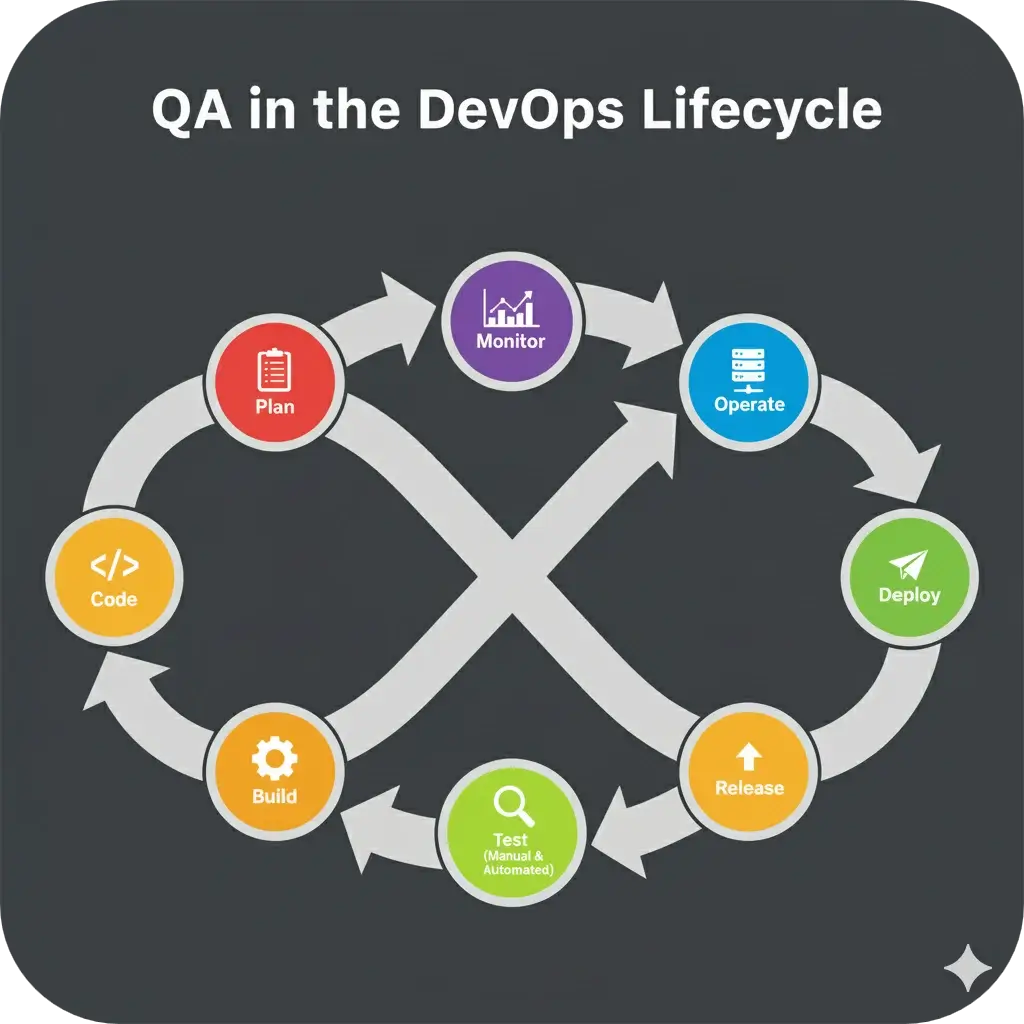
DevOps integration makes QA automation inseparable from software engineering. Tests run automatically with every commit through CI/CD pipelines.
Agile methodologies dominate modern development. Remote QA jobs require experience with sprint planning, standups, retrospectives, and understanding the complete SDLC.
Career Growth and Continuous Learning:
Advancing Technical Skills
Programming proficiency: Start with Python, then expand to Java or LINQ. Understanding software engineering principles elevates your contributions.
Automation frameworks: Master Page Object Model and build reusable utilities.
Specialized knowledge: Develop expertise in domains like clinical operations, field service diagnostics, or SEO testing depending on interest.
Emerging technologies: Learn Graphics Foundations, Audio Generation testing, or connected devices validation for cutting-edge opportunities.
Pursuing Certifications
ISTQB: Most recognized globally. Start with Foundation Level to certify your knowledge.
Certified Agile Tester: Demonstrates Agile environments understanding.
Six Sigma: Green Belt certification shows process improvement capabilities valuable for Sr. QA Director roles.
Leadership Pathways
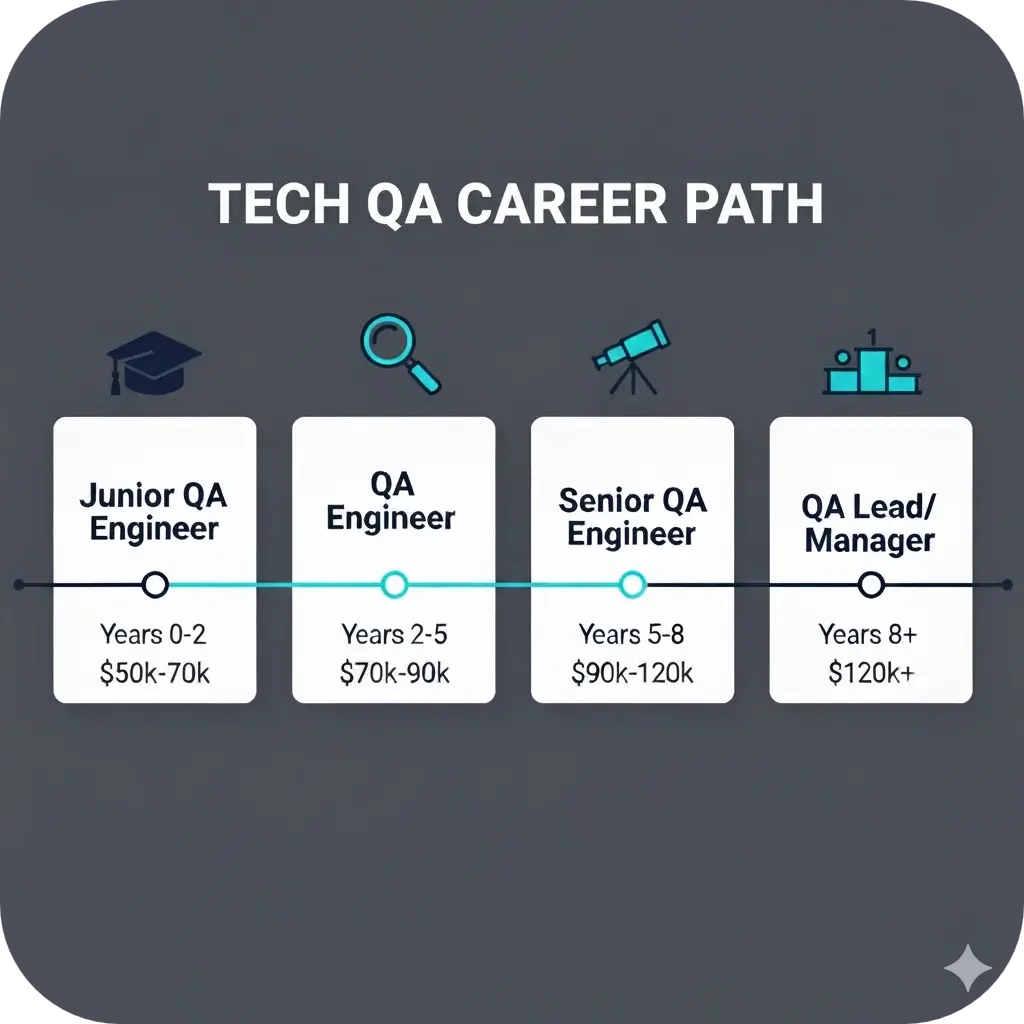
Senior QA Engineer & Sr. Staff Software Engineer: Technical excellence focus, paying ~$100,000-$150,000.
QA Lead: Bridge technical and project management, paying ~$95,000-$130,000.
QA Manager & Sr. QA Director: People management and QA strategy development, paying ~$110,000-$160,000+.
Network Quality Assurance Engineer: Specialized infrastructure roles at telecommunications companies.
Senior Quality Assurance Nurse Manager: Healthcare leadership combining clinical project management with quality expertise.
Conclusion:
The world of quality assurance remote jobs has transformed into mainstream career path. We’ve covered understanding remote QA roles, developing skills through expert support, navigating the market, and building a full-time remote job careers.
Remote QA jobs offer remarkable opportunities for human professionals willing to learn, communicate effectively, and deliver quality standards. Demand continues growing across all sectors.
Ready to take the next step? Want exclusive access to the best remote quality assurance jobs worldwide, including opportunities with many super cool companies that you may have never heard of (but YOU SHOULD)? Then, Sign up to our FREE Remote Jobs Central newsletter to get the latest remote job listings directly in your inbox and also Subscribe to our YouTube channel for awesome videos with research backed insights and expert tips.
What’s the biggest challenge you face in your Remote Quality Assurance Jobs search? Have you ever applied for one online? Share your experience in the comments below – let’s build a community of remote QA professionals and support each other.
FAQ:
Can quality assurance be remote?
Yes, absolutely! Quality assurance can absolutely be performed remotely from anywhere 🌏. Remote QA jobs are standard because testing doesn’t require physical presence. QA professionals execute test cases, write scripts, document defect logs, and collaborate using cloud-based workflow tools. Remote QA teams often deliver better results because companies hire specialized talent globally.
Are QA jobs still in demand?
Certainly! QA jobs are in very high demand and are growing rapidly. The field has seen phenomenal growth in QA remote job postings since COVID, with companies across all industries actively hiring remote QA professionals. As software engineering expands and Artificial Intelligence systems require validation, demand for skilled QA engineers continually increasing.
What is QA in remote jobs?
QA in remote jobs refers to quality assurance professionals who test software, validate functionality, and ensure quality standards while working from home or any location. These roles span from QA analyst positions executing test cases to QA automation engineers building test frameworks, Sr. QA Director positions developing QA strategy, and specialized roles like Network Quality Assurance Engineer or Senior Quality Assurance Nurse Manager.
Are there remote QA jobs?
Yes, many remote QA jobs exist globally but it’s just that not many remote job seekers are aware of it as there is A LOT OF NOISE in this. That’s why we suggest you signing up for FREE Remote Jobs Central Newsletter which can be your BEST CHOICE (where we send you curated worldwide remote quality assurance jobs). Of course, you don’t have to take our word for granted – Please see our reviews.
How can I make $1000 a week working from home?
Making $1,000 weekly ($52,000 annually) is achievable through remote QA jobs in QA analyst or entry-level QA engineer positions. Build core skills in test methodology and SDLC, obtain ISTQB certification to certify your knowledge, create portfolio with test documentation and basic automation. Apply consistently to remote quality assurance jobs with full-time positions that pay ~$50,000-$65,000 annually with paid time off and benefits.
Can you work remotely in QA jobs?
Yes, remote QA positions span all specializations – manual QA testers, automation engineers, performance testers, security specialists, and even specialized roles like Senior Quality Assurance Nurse Manager in healthcare or Network Quality Assurance Engineer in telecommunications. Companies discovered quality assurance work translates perfectly to remote settings using cloud-based workflow tools and Agile methodologies. Lot of remote-first companies offer fully remote QA jobs as full-time remote job opportunities with comprehensive benefits including 401(k) and equity compensation.
How to make $80,000 a year working from home?
Earning $80,000 annually is realistic for mid-level remote QA engineers with 3-5 years experience and automation skills in Agile environments. Develop Selenium or Appium proficiency, learn Python or Java, gain CI/CD and SDLC experience, pursue remote QA automation engineer positions. Build expertise in API testing, Database Management Systems like Oracle, or specialized domains like clinical data management or contract management.
How can I make $2000 a week working from home?
Making $2,000 weekly ($104,000 annually) requires advanced QA expertise. Senior QA automation engineers, QA leads, Sr. QA Director positions, or Sr. Staff Software Engineer roles in QA command these salaries. Build 5-7 years experience, master multiple frameworks including AI-powered automation tools, develop specialized domain knowledge (fintech, healthcare, clinical operations, hyperscale data center operations), pursue senior remote positions at established companies.